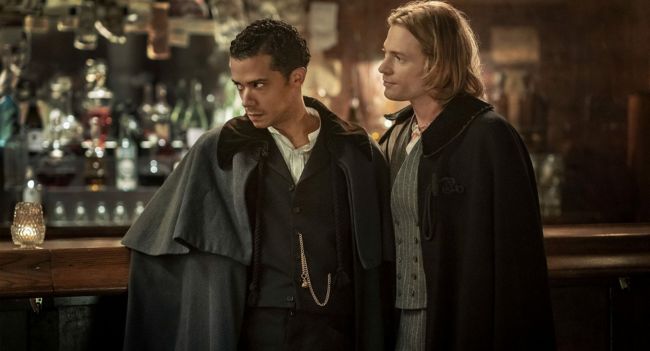
Tom Cruise and Brad Pitt’s Gothic Vampire Classic Is Still “Brilliant” 30 Years Later — and Critics Say It Has Lost None of Its Bite

Three decades after Tom Cruise and Brad Pitt first appeared together as vampires on the big screen, their dark gothic drama Interview with the Vampire has aged remarkably well.
Neil Jordan’s 1994 adaptation of Anne Rice’s bestselling novel brought together two of Hollywood’s biggest stars, alongside a young Kirsten Dunst and Antonio Banderas, for a lavish story of immortality, obsession and loneliness.
The casting famously caused controversy before audiences had even seen the finished film. Yet years later, the movie has undergone a striking reassessment, with The Guardian awarding its 30th-anniversary re-release a perfect five stars and describing Cruise and Pitt’s pairing as a “brilliant bloodsucking bromance.”
A Vampire Story That Begins With a Confession

The film opens in modern-day San Francisco, where journalist Daniel Malloy, played by Christian Slater, sits down with the mysterious Louis de Pointe du Lac.
Louis, played by Pitt, has an extraordinary story to tell: he is a vampire, and his life has stretched across centuries.
His story takes viewers back to 18th-century Louisiana, where a grief-stricken Louis encounters Lestat de Lioncourt, Cruise’s charismatic and dangerous vampire.
Lestat transforms Louis, offering him immortality. But what initially appears to be an escape from mortality soon becomes something much more troubling.
Louis struggles with killing humans and increasingly questions the existence Lestat embraces so enthusiastically. Their relationship becomes an uneasy mixture of companionship, dependence, resentment and control.
Then Claudia enters their lives.
Kirsten Dunst Became the Film’s Secret Weapon

Kirsten Dunst was only 12 when Interview with the Vampire was released, yet her performance as Claudia became one of the film’s most acclaimed elements.
Claudia is transformed into a vampire while still a child, leaving her trapped permanently inside a young body even as her mind continues to mature.
What initially creates something resembling a strange family between Louis, Lestat and Claudia gradually becomes one of the film’s darkest conflicts.
Claudia begins to understand exactly what immortality has taken from her — and who she blames for it.
The Guardian’s retrospective particularly praised Dunst, calling her performance “outstanding,” while highlighting the unsettling combination of childhood appearance and increasingly adult rage that defines Claudia.
Tom Cruise’s Casting Once Caused an Uproar
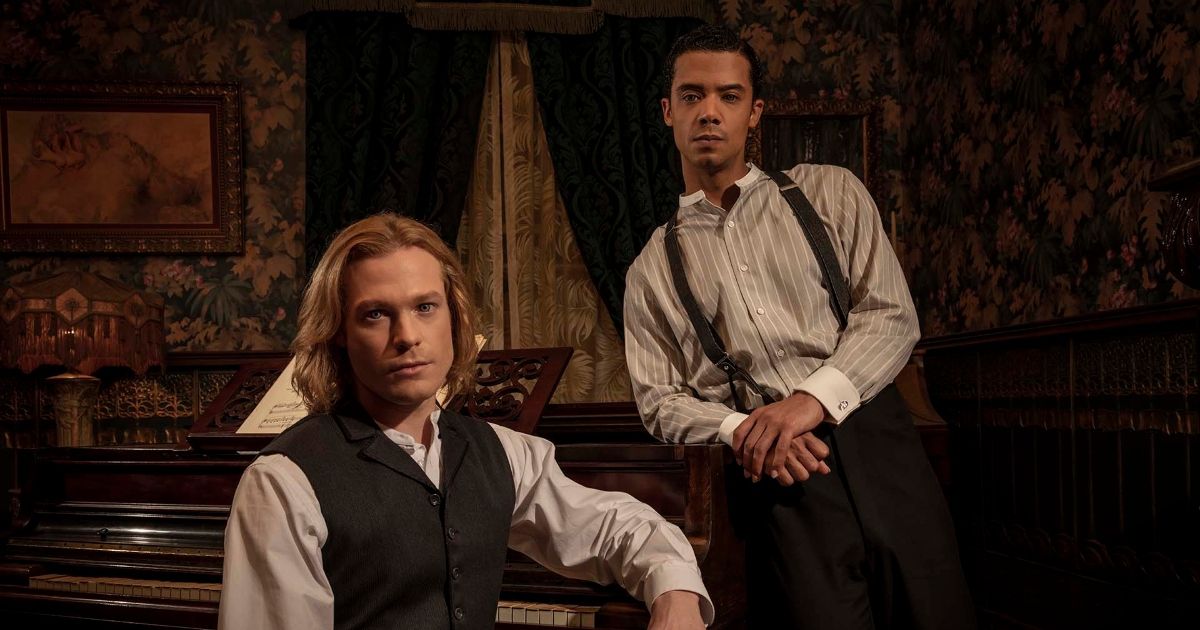
It is difficult to imagine the film without Cruise today, but his casting as Lestat was initially highly controversial.
Anne Rice herself publicly objected to the choice before seeing the finished movie. The author had created Lestat as one of the defining characters of her Vampire Chronicles, and Cruise did not match what she initially imagined for the role.
The reaction made his performance one of the biggest questions surrounding the film’s release.
But Cruise’s Lestat ultimately became one of its defining strengths.
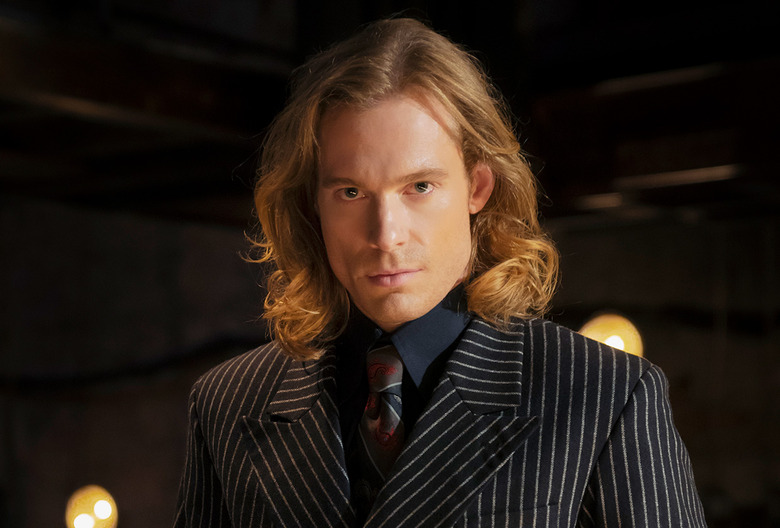
With blond hair, pale skin and an almost theatrical combination of charm and cruelty, Cruise plays Lestat as someone who thoroughly enjoys being a vampire — a sharp contrast to Pitt’s tortured Louis.
Rice famously changed her opinion after seeing the completed performance, praising Cruise despite her earlier objections.
More Than a Conventional Horror Movie
Although blood, death and supernatural violence run throughout the story, Interview with the Vampire is not structured like a conventional monster movie.
At its heart is a much sadder question: what would living forever actually do to someone?
Louis spends much of his immortal existence searching for meaning while struggling with guilt. Claudia discovers that eternal life can also mean eternal imprisonment. Lestat, meanwhile, appears determined to embrace the pleasures of immortality regardless of the cost.
Roger Ebert highlighted this quality in his original 1994 review, observing that the vampires are presented as creatures burdened by immortality rather than simply empowered by it.
That melancholy gives the film an unusual atmosphere beneath its elaborate costumes, candlelit interiors and gothic spectacle.
Thirty Years Later, the Film Still Holds Up
Released in November 1994, Interview with the Vampire became a major commercial success and has remained one of the best-known vampire films of its era.
Its reputation has arguably grown stronger with time.
Revisiting the film for its 30th anniversary, The Guardian awarded it 5/5, praising its performances, dark humor and unapologetically gothic style.
The combination of Cruise, Pitt and Dunst now feels particularly remarkable: three performers at dramatically different stages of their careers occupying the same strange, seductive world.
But perhaps the film’s greatest strength is that immortality never feels like the uncomplicated fantasy it might initially appear to be.
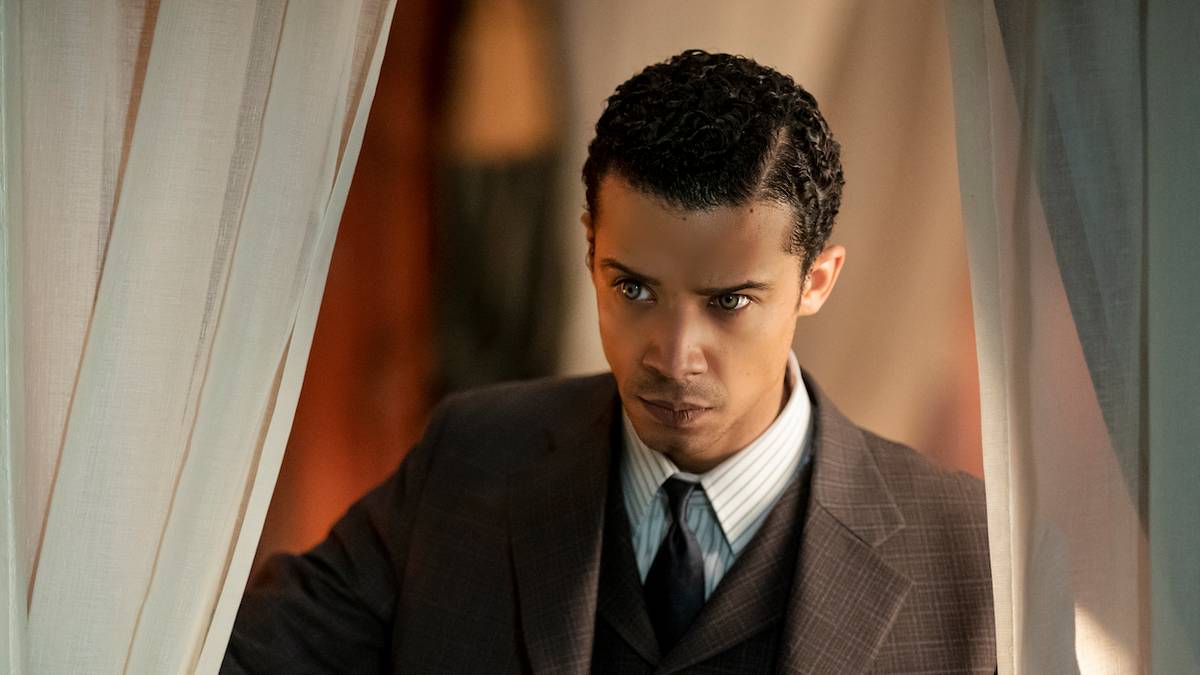
Behind the beauty, wealth and eternal youth is a story about people unable to escape themselves — even when they have centuries to try.
For viewers discovering it for the first time, Interview with the Vampire remains a lavish and unusually emotional gothic thriller. For those who remember its controversial arrival in 1994, its reputation three decades later offers another surprise: the casting decision that once provoked outrage is now one of the hardest parts of the film to imagine changing.