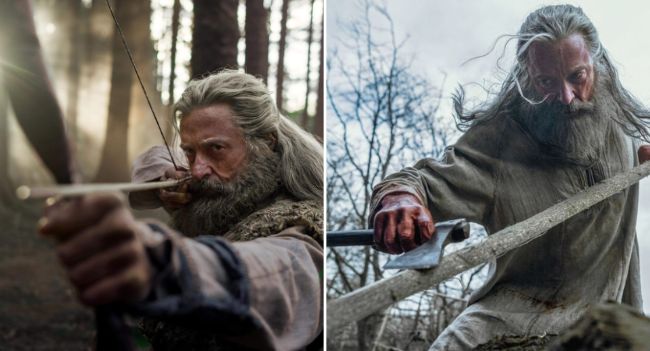
Hugh Jackman has played some of Hollywood’s most iconic characters, but his latest transformation into a legendary British outlaw has taken an unexpected turn. Despite struggling at the box office during its theatrical release, his dark, R-rated action thriller The Death of Robin Hood is now finding a much bigger audience on streaming platforms, climbing the charts in multiple countries.
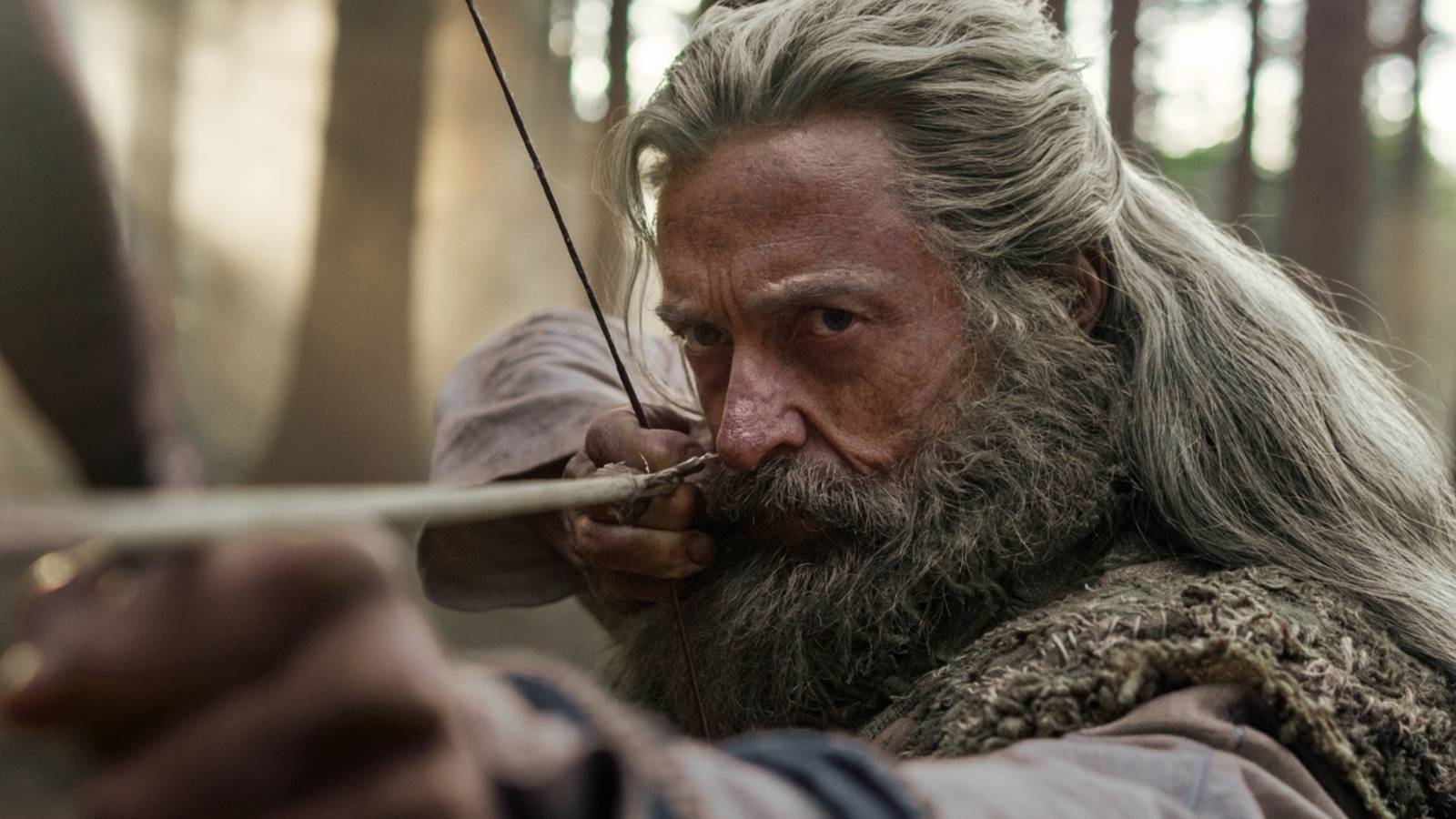
Described as a gritty blend of Logan and Ridley Scott’s darker historical storytelling, the film offers a radically different take on the familiar Robin Hood legend. Rather than presenting audiences with another heroic adventure, it explores the violent past and troubled conscience of an aging outlaw confronting his final days.
Written and directed by Michael Sarnoski, The Death of Robin Hood arrived in cinemas in June with relatively little fanfare. Despite Hugh Jackman’s star power and an intriguing premise, the film struggled to attract moviegoers.
That changed when it made its streaming debut on October 16.
After landing on HBO Max in the United States, the film quickly surged to the top of the global streaming charts. Although it has since slipped out of the US top 10, its international popularity has continued to grow.
Australian audiences have embraced the movie on Stan, where it has remained the number-one film since its streaming debut. It has also secured positions in the top 10 in Italy through Chili, as well as in the Czech Republic, Finland and Sweden through Rakuten TV.
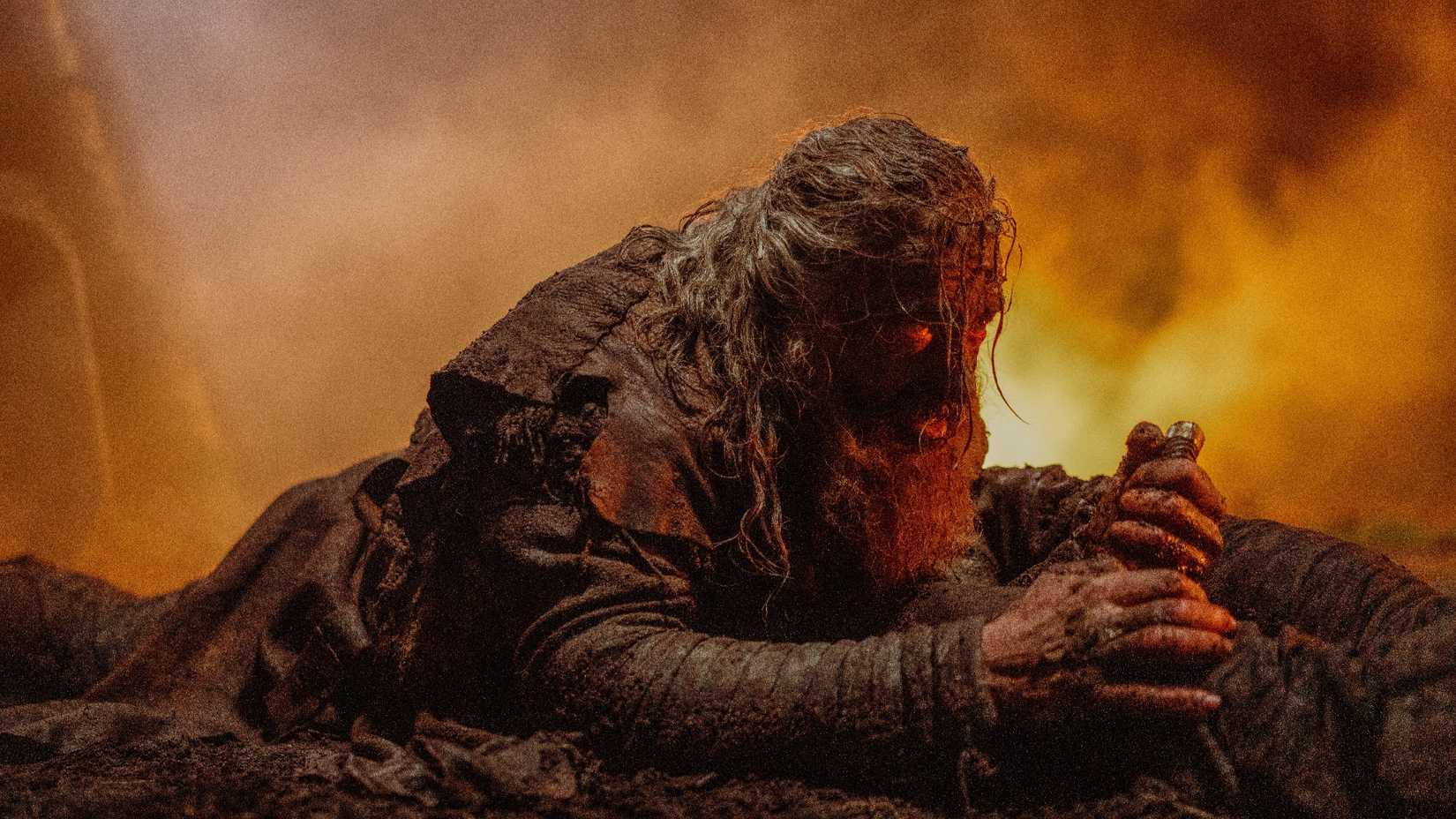
Hugh Jackman Delivers a Dark and Tormented Performance
While the film shares its legendary central character and some historical elements with Ridley Scott’s 2010 Robin Hood, Michael Sarnoski takes the story in a much darker direction.
This is not the familiar tale of a noble outlaw stealing from the rich to help the poor. Instead, The Death of Robin Hood examines what happens when a man who has spent much of his life surrounded by violence is finally forced to confront the consequences of his actions.
Jackman portrays Robin Hood as an aging, deeply troubled figure whose days of banditry have come to an end. As he lies on his deathbed, he begins reflecting on his past and acknowledging that the heroic stories told about him may have concealed a much darker reality.

Haunted by the things he has done, Robin is given one final opportunity at redemption, setting the stage for an introspective story about guilt, mortality and the possibility of salvation.
Although the movie features several intense action sequences, its greatest strength lies in its character-driven storytelling and Jackman’s emotionally demanding performance.
The impressive cast also includes Jodie Comer, Bill Skarsgård, Murray Bartlett, Noah Jupe and Jade Croot, adding further depth to the film’s dark and unsettling world.
Why Did ‘The Death of Robin Hood’ Fail at the Box Office?
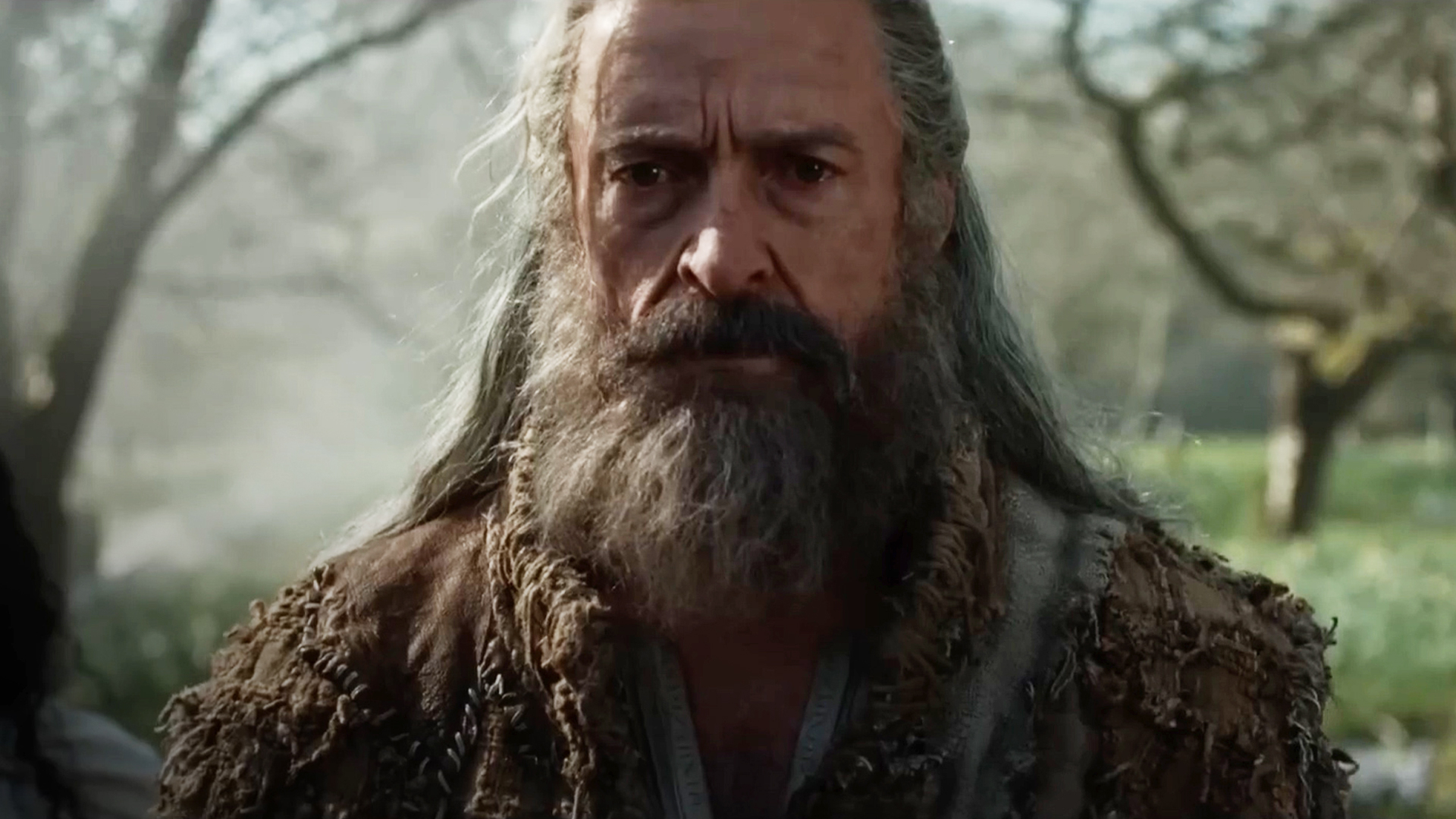
Considering the talent involved, the film seemed to have all the ingredients necessary for commercial success.
Jackman is an established Hollywood star, while Jodie Comer has built a strong reputation through her acclaimed performances. The Robin Hood legend also remains one of the most recognizable stories in popular culture.
Perhaps most surprisingly, the production reportedly cost just $20 million to make — a relatively modest budget compared with many of Jackman’s previous blockbusters.
Yet despite those advantages, The Death of Robin Hood earned only $9 million worldwide during its theatrical run.
The reasons behind its disappointing performance remain unclear, although its mixed reception may have played a part.
The film currently holds a respectable 69% rating on Rotten Tomatoes, suggesting that critics found plenty to appreciate. Audience reactions, however, have been considerably less enthusiastic, with the movie receiving a 55% user score.
Much of the criticism has focused on its pacing and overall tone.

The marketing presented The Death of Robin Hood as a brutal, action-packed thriller, potentially leading viewers to expect a fast-moving adventure filled with bloody confrontations. The finished film, however, is considerably slower and more reflective, placing greater emphasis on its central character’s emotional journey.
That difference between expectations and reality may have contributed to its disappointing theatrical reception.
Nevertheless, the film’s remarkable streaming performance suggests that its audience may simply have needed more time to discover it.
What initially appeared to be one of 2026’s overlooked box-office disappointments is now enjoying a second life internationally, proving that a movie’s theatrical performance does not always determine its long-term success.