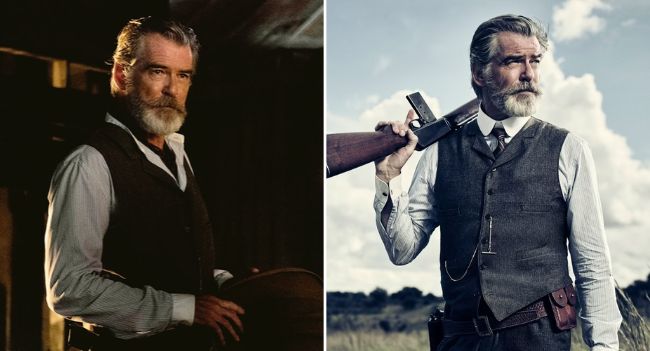
Long before Taylor Sheridan turned Yellowstone, 1883, 1923 and Landman into major television hits, Pierce Brosnan was starring in a gripping Western drama that explored many of the same themes. Released in 2017, AMC’s The Son is a sweeping family saga filled with ruthless ambition, bloody conflicts, oil fortunes and generations of family secrets.
Best known for playing James Bond in four films between GoldenEye (1995) and Die Another Day (2002), Brosnan traded his signature tuxedo for a cowboy hat to take on one of his most complicated television roles. And for anyone who enjoys Sheridan’s Western dramas, this two-season series deserves a closer look.
While Yellowstone premiered in 2018 and Landman brought the modern Texas oil industry into the spotlight, The Son was already exploring the origins of powerful Texas dynasties and the fierce battles over land and wealth.
Pierce Brosnan Plays a Ruthless Texas Patriarch in ‘The Son’
Based on Philipp Meyer’s bestselling, Pulitzer Prize finalist novel, The Son follows the McCullough family across three generations and approximately 150 years of Texas history.
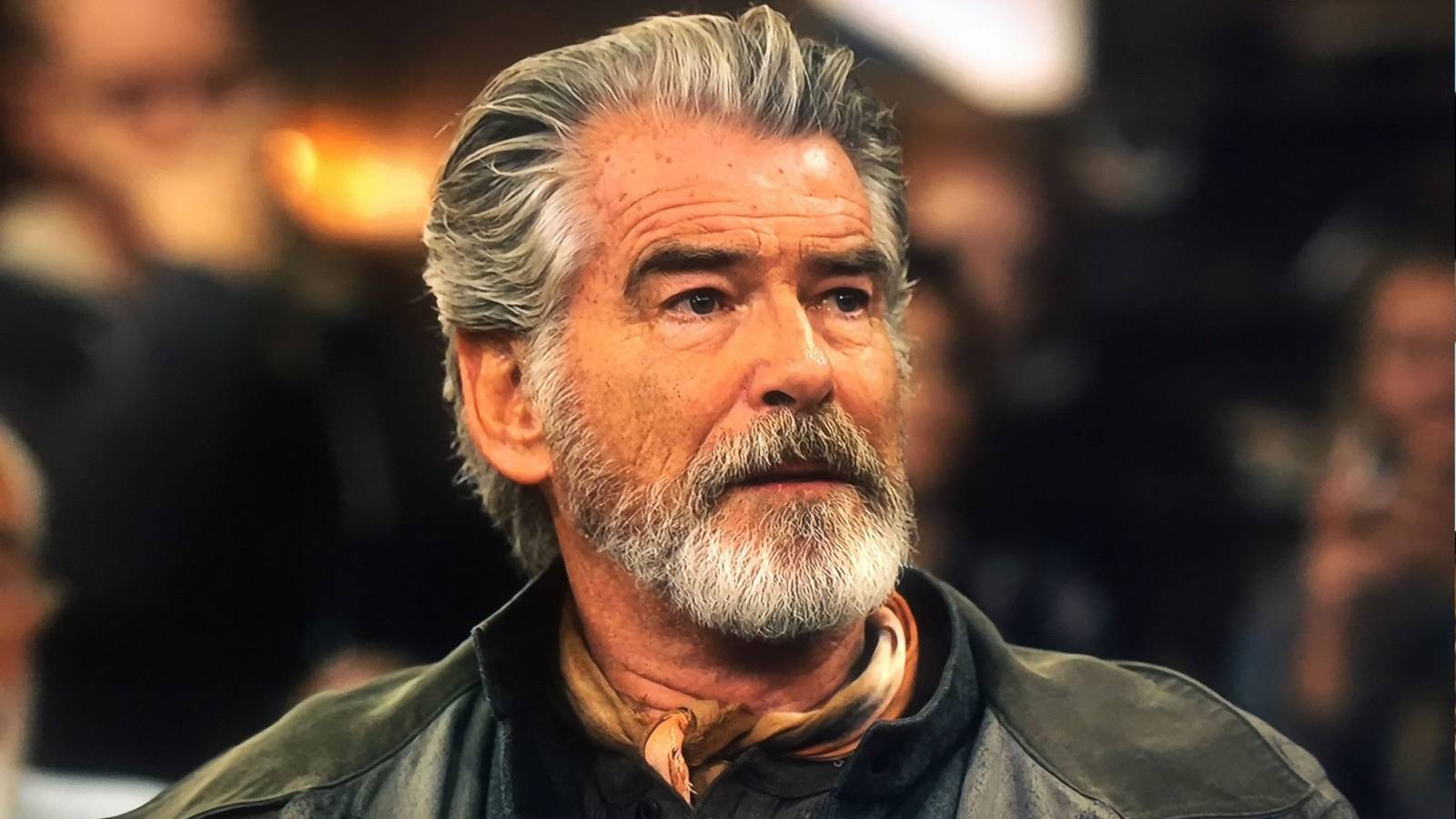
Brosnan stars as Eli McCullough, a powerful cattle rancher whose ambitions reach far beyond protecting his family’s land. Determined to establish a vast ranching and oil empire, Eli becomes an increasingly ruthless patriarch, willing to make difficult and often brutal decisions to secure his family’s future.
The first season moves between two periods in Eli’s life: his childhood in 1851 and his later years as a wealthy rancher in the early 20th century. Through these parallel timelines, viewers discover how a traumatic upbringing shaped his personality and influenced the choices he would make as an adult.
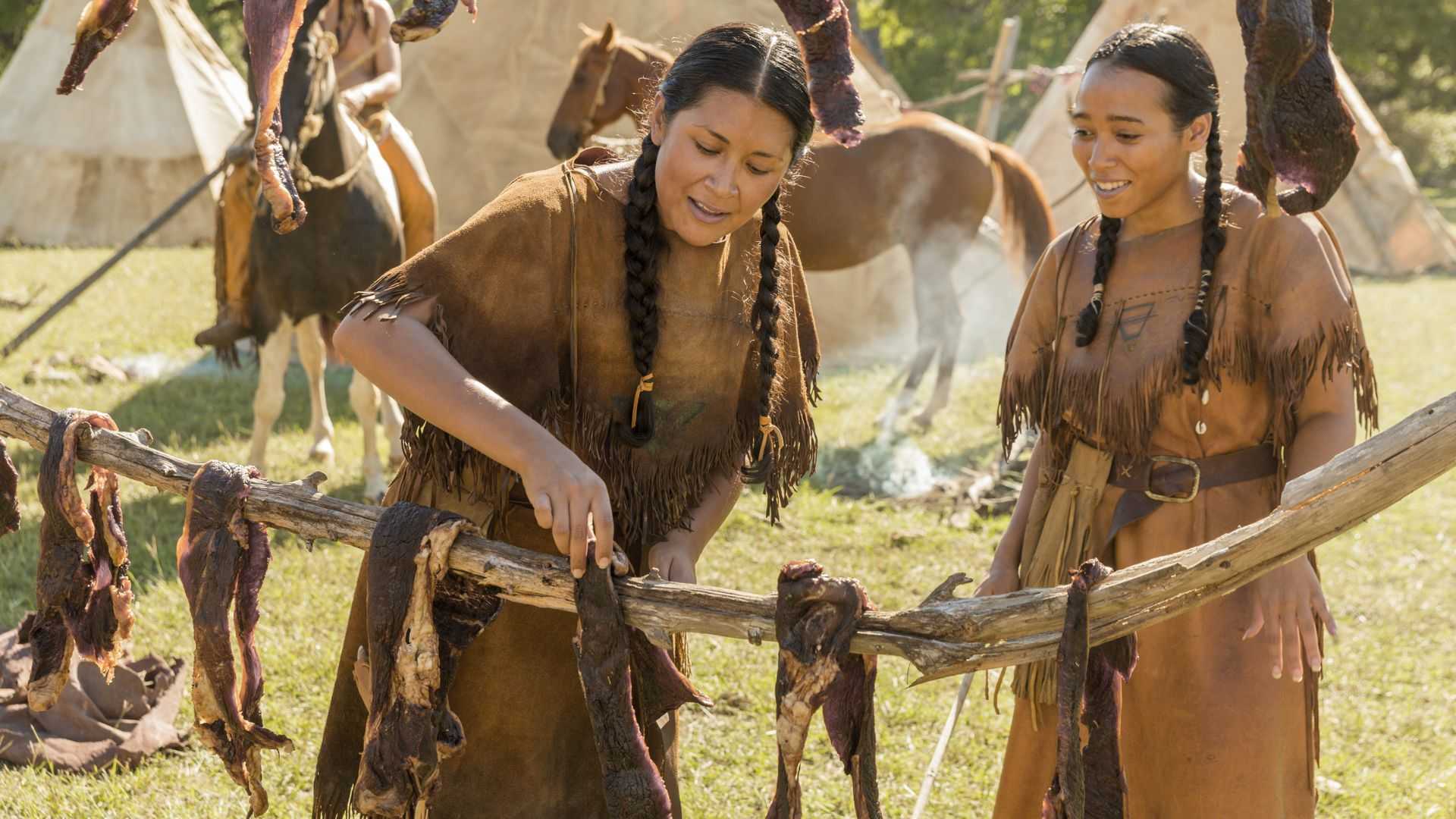
One of the most important chapters in young Eli’s life begins when Comanche warriors attack his family and take him captive. Jacob Lofland portrays the younger version of Eli, who eventually becomes part of the Comanche community under the guidance of Chief Toshaway, played by Zahn McClarnon.
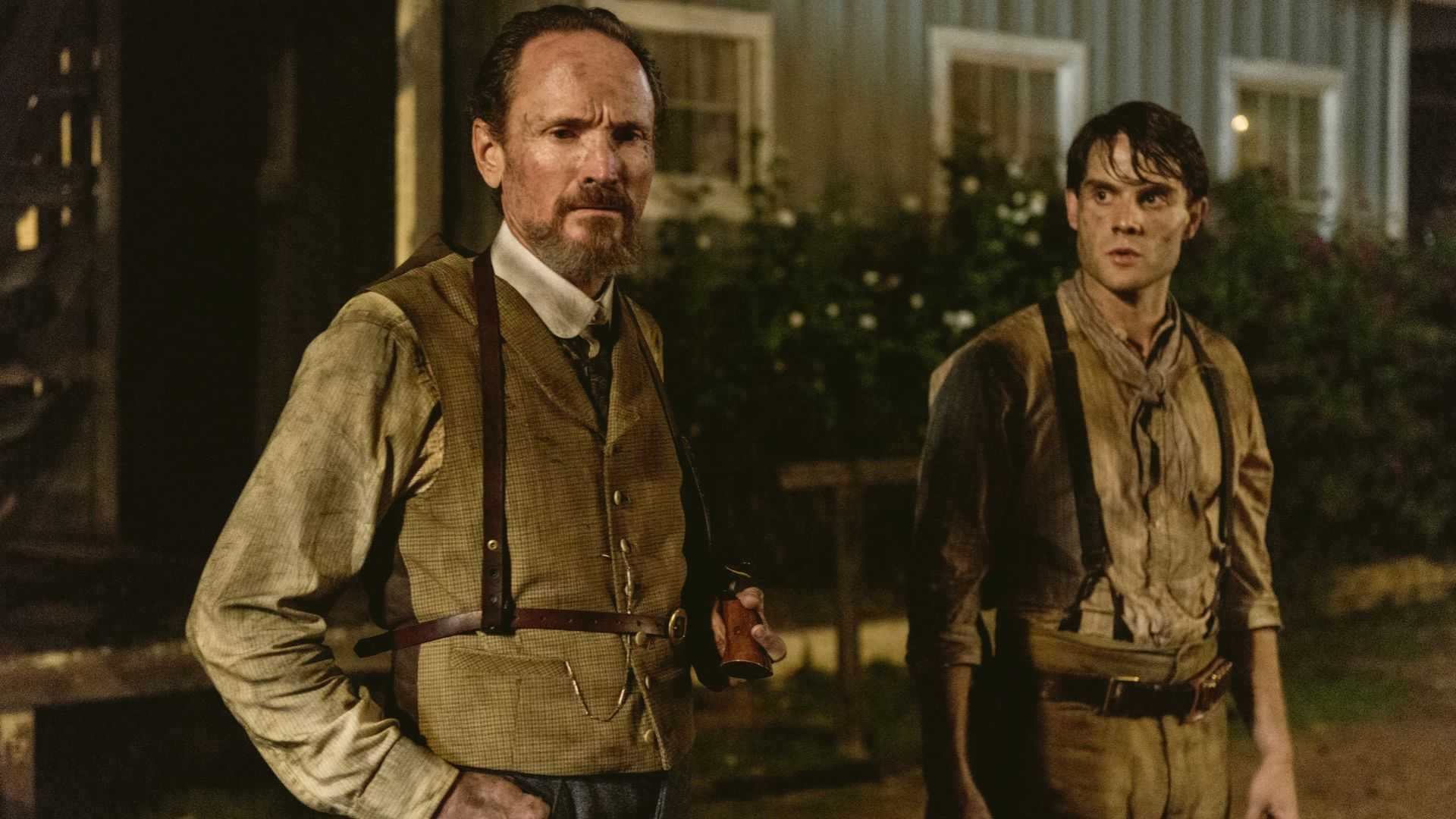
Those experiences fundamentally change him. By the time Brosnan’s older Eli takes center stage, he has developed a fierce determination to survive and protect his interests, even when that means treating members of his own family as obstacles.
Brosnan proves particularly effective in the role. Although audiences have long associated him with the sophistication and charm of James Bond, The Son gives him an opportunity to explore a much darker character.
Eli is neither an uncomplicated hero nor an easy character to admire. He is calculating, ambitious and frequently ruthless. Yet Brosnan brings enough charisma and humanity to the performance to make his character fascinating, even when his actions are difficult to justify.
The supporting cast also adds considerable depth to the story. Alongside Brosnan and Lofland, the series features Zahn McClarnon, Henry Garrett, Sydney Lucas, Paola Núñez, Jess Weixler, Elizabeth Frances and Carlos Bardem.
Season 2 expands the narrative with a third timeline set in 1988, following an elderly Jeannie, Pete’s daughter, as she confronts a long-buried family secret.
Across its 20 episodes, The Son delivers an ambitious family saga about power, survival, betrayal and the enormous personal cost of building an empire.
‘The Son’ Explores the Origins of the Oil Fortunes Seen in ‘Landman’
One of the most interesting aspects of The Son is how closely its themes connect with the television universe created by Taylor Sheridan.
Sheridan’s Western dramas frequently revolve around families fighting to maintain control of valuable land and protect the fortunes they have built.
Yellowstone places the Dutton ranch at the center of conflicts involving developers, corporations and neighboring communities. Meanwhile, 1883 follows the family’s dangerous journey west, while 1923 explores the challenges of preserving its Montana empire.
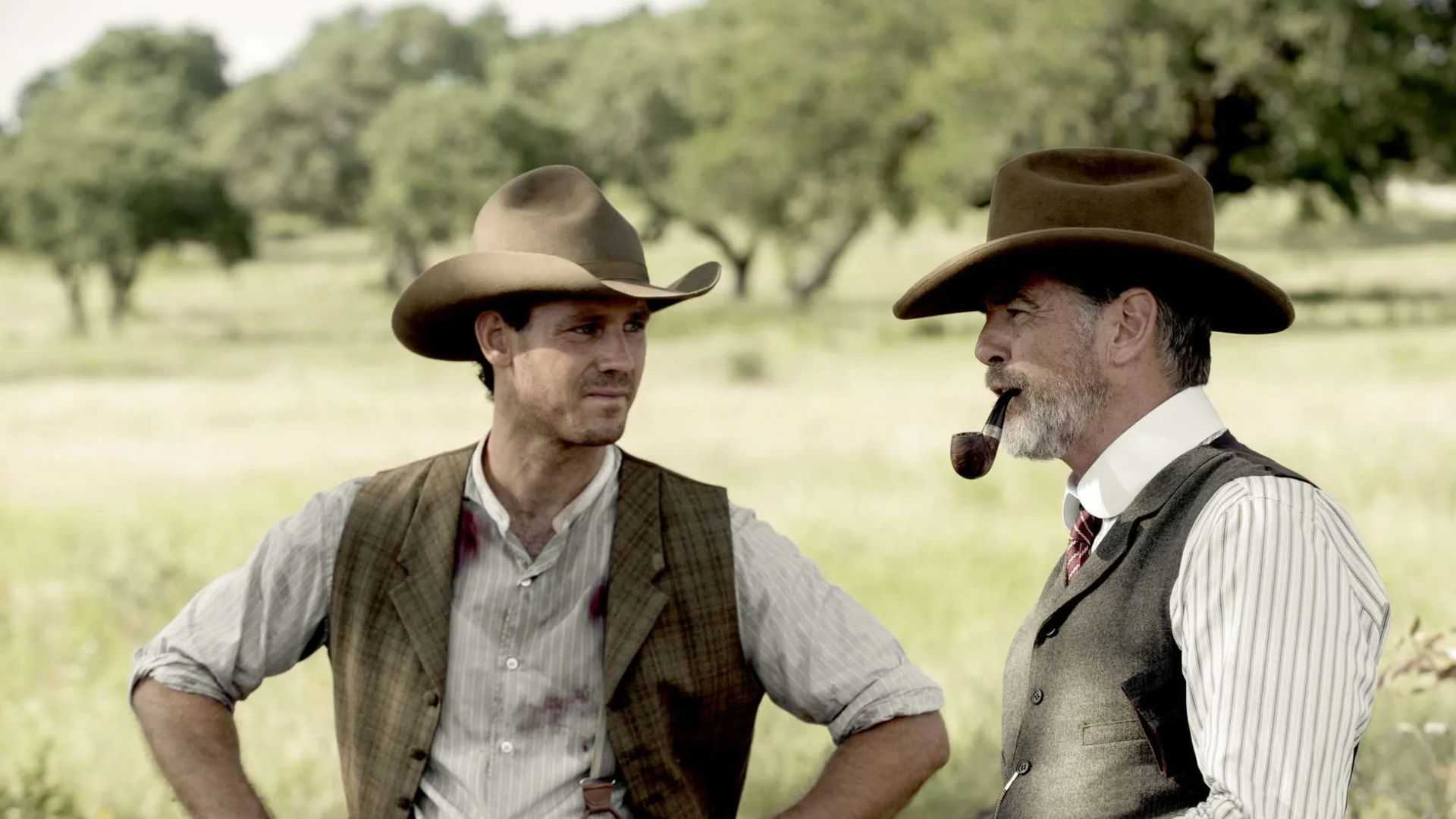
The Son approaches similar themes from a different historical perspective.
Its connection to Landman is particularly compelling. Co-created by Taylor Sheridan and Christian Wallace, Landman examines the modern West Texas oil industry, following roughnecks, corporate executives and wealthy investors competing for enormous fortunes during an oil boom.
But The Son takes viewers back to an earlier chapter of that economic transformation.
Brosnan’s Eli begins his journey as a cattle baron before recognizing that oil could become the foundation of an even greater fortune. His determination to move beyond ranching brings him into conflict with powerful business interests and exposes the ruthless nature of the emerging industrial economy.
Where Landman focuses on the modern machinery and business operations of oil production, The Son explores the historical struggles over the land and resources that made those fortunes possible.
That broader historical perspective gives the two series an especially interesting connection. One examines the modern consequences of the oil industry, while the other explores the ambition and conflicts that helped establish its foundations.
Why ‘The Son’ Deserves Another Look
Despite its ambitious storytelling and impressive cast, The Son never achieved quite the same critical success as some of today’s most popular Western dramas.
Its first season received a 52% critics’ score on Rotten Tomatoes. Nevertheless, the series attracted a substantial audience when it premiered.
According to The Hollywood Reporter, AMC reported nearly three million viewers for the two-hour premiere across AMC and SundanceTV, while the first season averaged approximately 2.3 million viewers per week.
Although its reputation never reached the heights of Sheridan’s biggest television hits, The Son remains an intriguing historical Western with a compelling central performance from Pierce Brosnan.
For viewers who enjoy stories about powerful families, contested land, generational conflict and the fortunes built through the oil industry, this two-season drama offers plenty to discover.
And with Brosnan stepping away from his familiar James Bond persona to portray one of television’s more complicated Western patriarchs, The Son is well worth revisiting.