
Netflix has released no shortage of dark crime thrillers, true-crime documentaries, and chilling limited series inspired by real events in recent years. Recognizing subscribers’ appetite for disturbing mysteries, the streaming giant has increasingly embraced stories filled with shocking twists and unsettling revelations. Yet while many newer releases can feel strikingly similar, some of Netflix’s earlier thrillers remain exceptional, continuing to captivate audiences long after their initial debut.
One particularly memorable example is Alias Grace, the six-episode psychological thriller based on the novel by The Handmaid’s Tale author Margaret Atwood. Combining a mysterious murder case, disturbing revelations, possible supernatural influences, and the struggles of a young woman living in a male-dominated society, the series delivers the kind of unsettling storytelling that keeps viewers guessing until the very end.
Nearly a decade after its release, Alias Grace remains a compelling mystery that arguably becomes even more impressive with time.
What Is Netflix’s Alias Grace About?

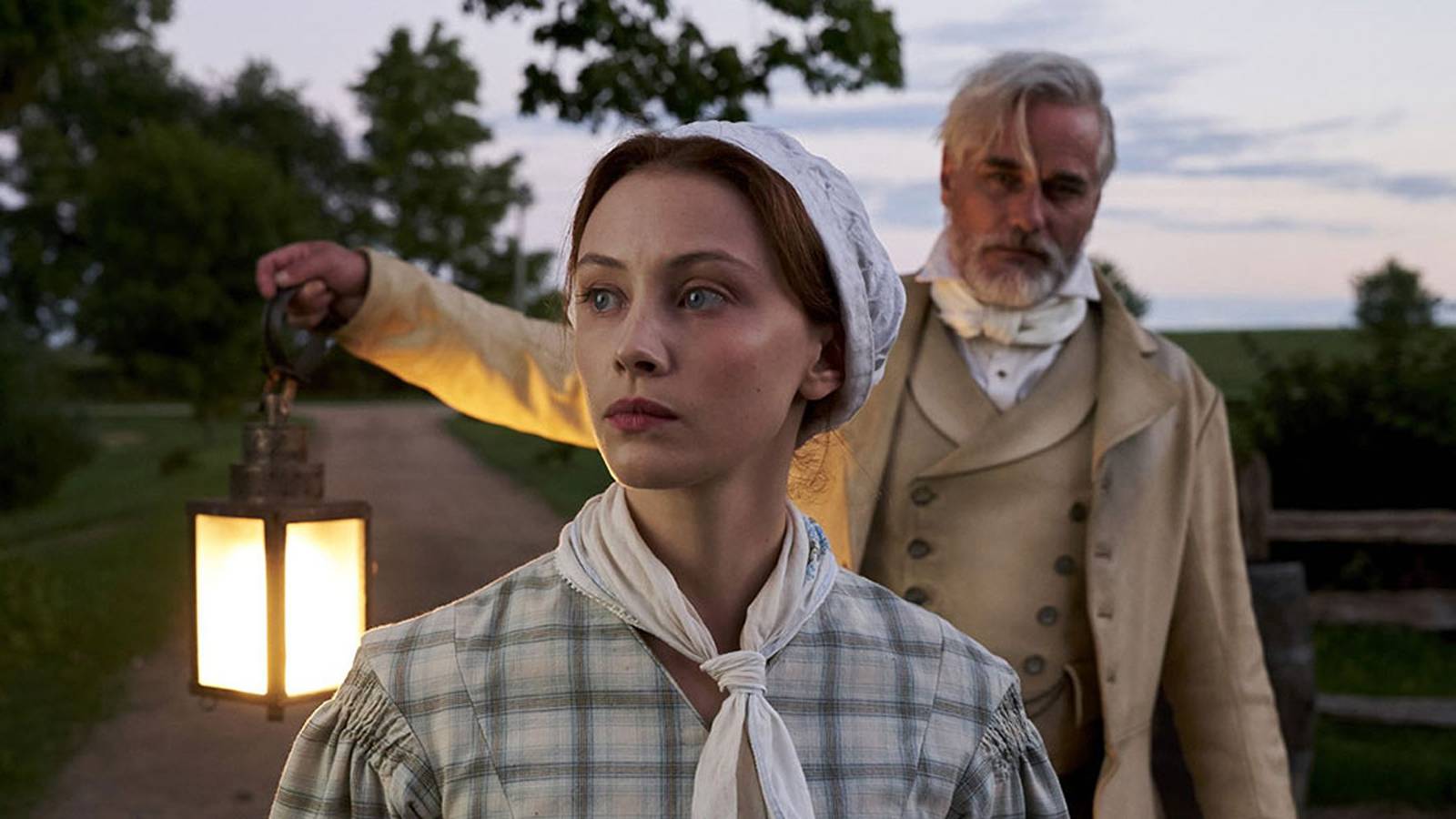
Set in the 19th century, Alias Grace follows Grace Marks, a young woman convicted of murdering her employer, Thomas Kinnear, and his housekeeper, Nancy Montgomery.
Although Atwood’s novel is fictional, its central events are rooted in a real-life murder case. Kinnear and Montgomery were killed in 1843, and the historical Grace Marks was convicted alongside James McDermott. After examining the details of the murders, as well as the controversy and lingering questions surrounding Marks’ conviction, Atwood developed a fictional account exploring what might have happened.
The television adaptation follows the structure of the novel, using a series of conversations between Grace and psychiatrist Dr. Simon Jordan to gradually uncover her past. Years after her conviction, Grace is asked to recount the experiences that shaped her life and may have led to the murders.
Much of the story unfolds through flashbacks, allowing viewers to piece together Grace’s troubled history alongside the doctor. As her memories emerge, the central question becomes increasingly difficult to answer: Was Grace truly involved in the killings, or is there more to the story than the evidence suggests?

A Murder Mystery With Spiritual and Supernatural Elements
As the six episodes progress, Alias Grace takes viewers further into Grace’s memories in an attempt to uncover the truth behind the deaths of Kinnear and Montgomery.
Grace insists that she cannot remember anything about the night of the murders. Her conversations with Dr. Jordan therefore become an investigation not only into her past, but also into the possibility that she may be unaware of her own involvement in the crimes.
However, the series does not remain a straightforward murder mystery. It gradually introduces spiritual and supernatural possibilities that make the case even more unsettling.
Could some malevolent force have influenced Grace? Might someone who had already died have played a role in the killings? And even if such explanations were possible, would anyone believe them—or consider them enough to clear her name?
These questions add another layer of uncertainty to an already complicated story. Rather than offering easy explanations for every mystery, Alias Grace embraces ambiguity. Its conclusion leaves room for interpretation, making the series particularly memorable and giving viewers plenty to reconsider after the final episode.
That refusal to provide simple answers is one of the show’s greatest strengths. The uncertainty surrounding Grace’s memories, her possible guilt, and the events of 1843 helps the mystery linger long after the credits roll.
A Standout Cast and an Acclaimed Creative Team

Sarah Gadon leads the series as Grace Marks, delivering a central performance that anchors the story’s psychological tension. Edward Holcroft plays Dr. Simon Jordan, the psychiatrist whose conversations with Grace gradually reveal the complexities of her past.
The supporting cast includes Rebecca Liddiard, Zachary Levi, Kerr Logan, Anna Paquin, and acclaimed filmmaker David Cronenberg.
Behind the camera, Alias Grace also benefits from an impressive creative team. Mary Harron, best known for directing and co-writing American Psycho, directed all six episodes, giving the series a consistent atmosphere of unease and psychological suspense.
The screenplay was written by Sarah Polley, who later won an Academy Award for her 2022 film Women Talking.
With its atmospheric period setting, layered performances, unsettling questions, and carefully constructed mystery, Alias Grace remains one of Netflix’s most distinctive limited series. For viewers who enjoy psychological thrillers that challenge their assumptions and leave certain questions unanswered, this six-episode adaptation is well worth discovering.