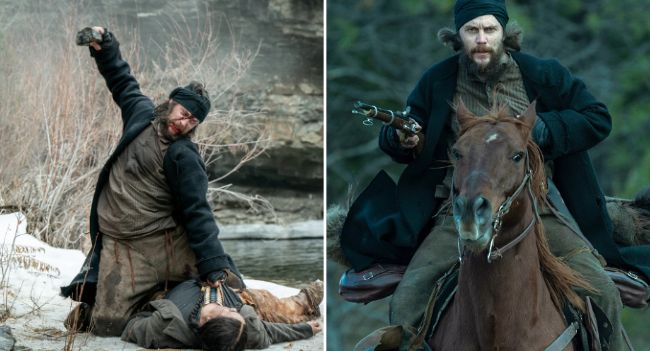
Taylor Sheridan has become one of television’s most recognizable storytellers, transforming the American West into a world of family rivalries, ruthless power struggles, political conflicts and spectacular violence. From Yellowstone to 1883, his Western dramas have attracted millions of viewers with their cinematic landscapes and compelling characters. But there’s one Netflix series that takes the genre in a darker, more brutal direction — and arguably does it even better.

That series is American Primeval, a six-episode historical Western created and written by Mark L. Smith and directed by Peter Berg. Starring Taylor Kitsch and Betty Gilpin, the show premiered on Netflix on January 9, 2025, and quickly earned praise from critics.
Unlike many of Sheridan’s productions, which explore the modern American West or revisit its mythology through family sagas, American Primeval takes viewers back to a much harsher period in American history. Its approach to violence, survival and historical conflict makes it a particularly gripping addition to the Western genre.
‘American Primeval’ Is a Brutal Story About Survival
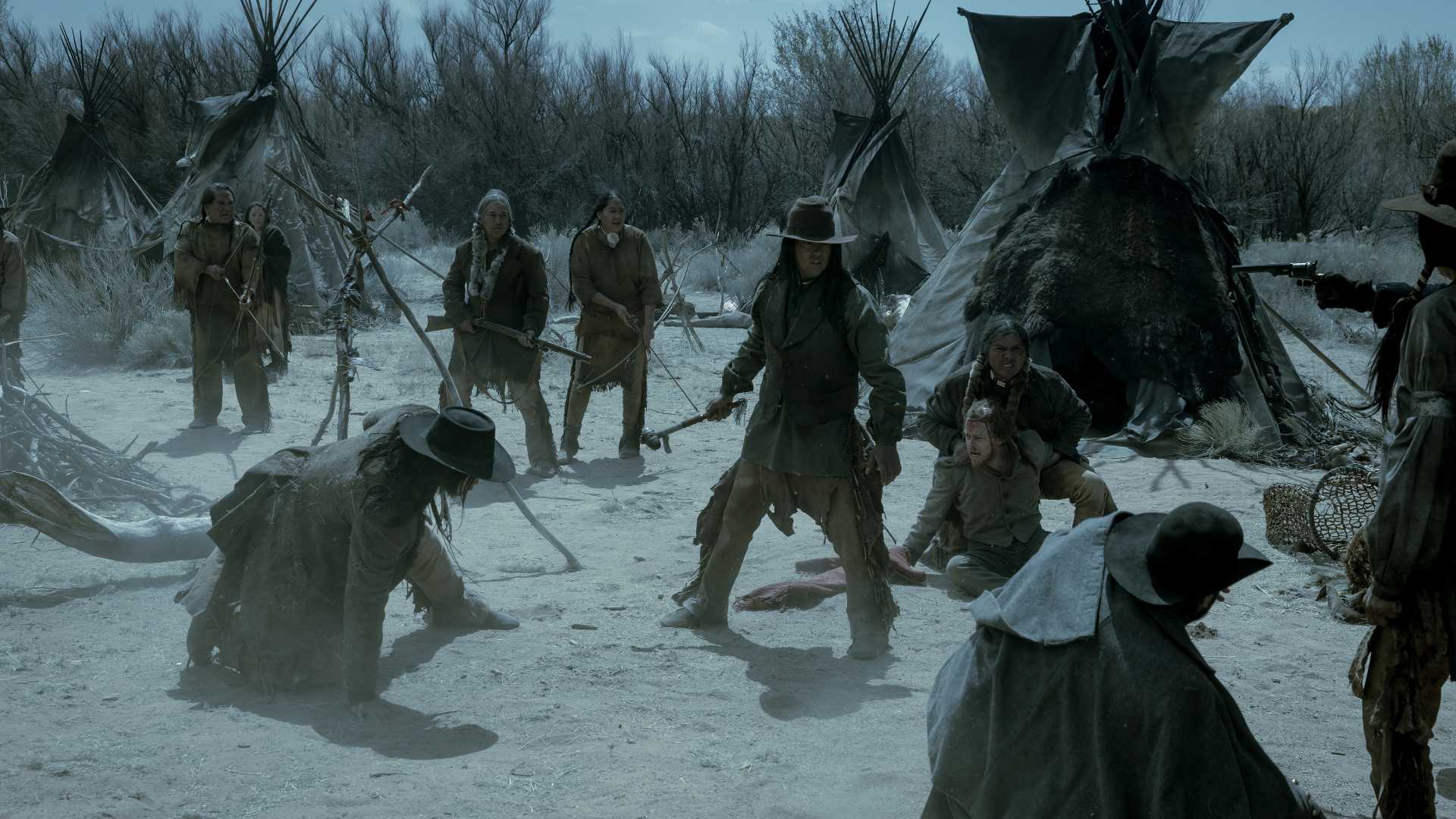
Set during the Utah War, an armed confrontation between U.S. government forces and Mormon settlers in the Utah Territory, American Primeval follows people struggling to survive amid religious conflict, territorial disputes and extraordinary violence.
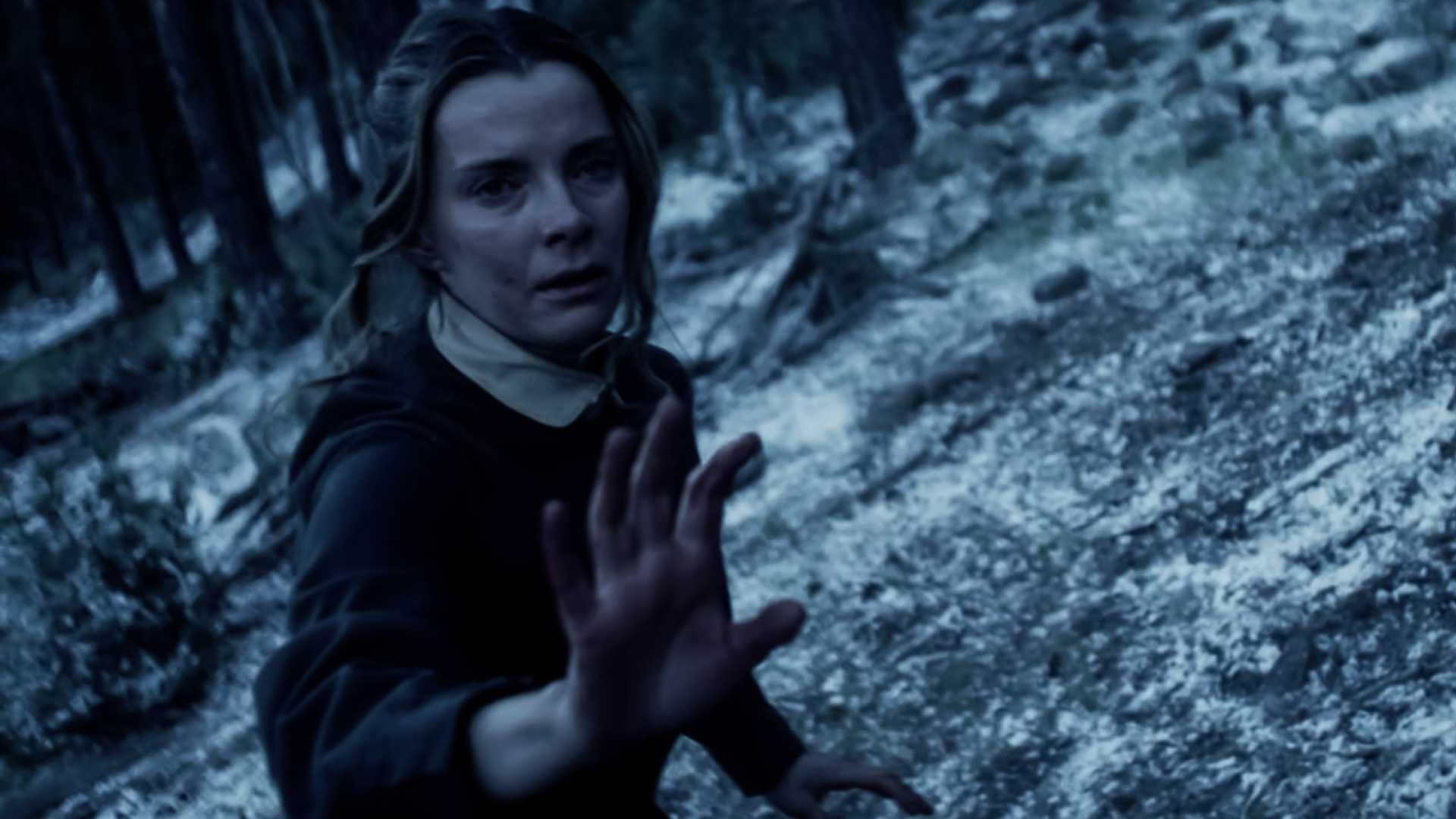
The story begins with Sara Rowell (Betty Gilpin) and her son fleeing a killing in the East. Their journey brings them into the middle of the escalating conflict, where they encounter Isaac (Taylor Kitsch), a reluctant guide who becomes involved in helping them navigate the dangerous territory.
Taylor Sheridan’s Westerns have often found success by presenting the cowboy lifestyle as both glamorous and dangerous. In Yellowstone and its prequels, the Dutton family fights to protect its land and legacy, with family drama, political maneuvering and gunfights driving the story forward.
The characters are often larger than life, and the breathtaking landscapes make even the harshest aspects of frontier existence look remarkably beautiful. At the center of these stories is the familiar image of the cowboy: tough, independent and guided by a personal code of honor.
American Primeval offers something considerably less romantic.
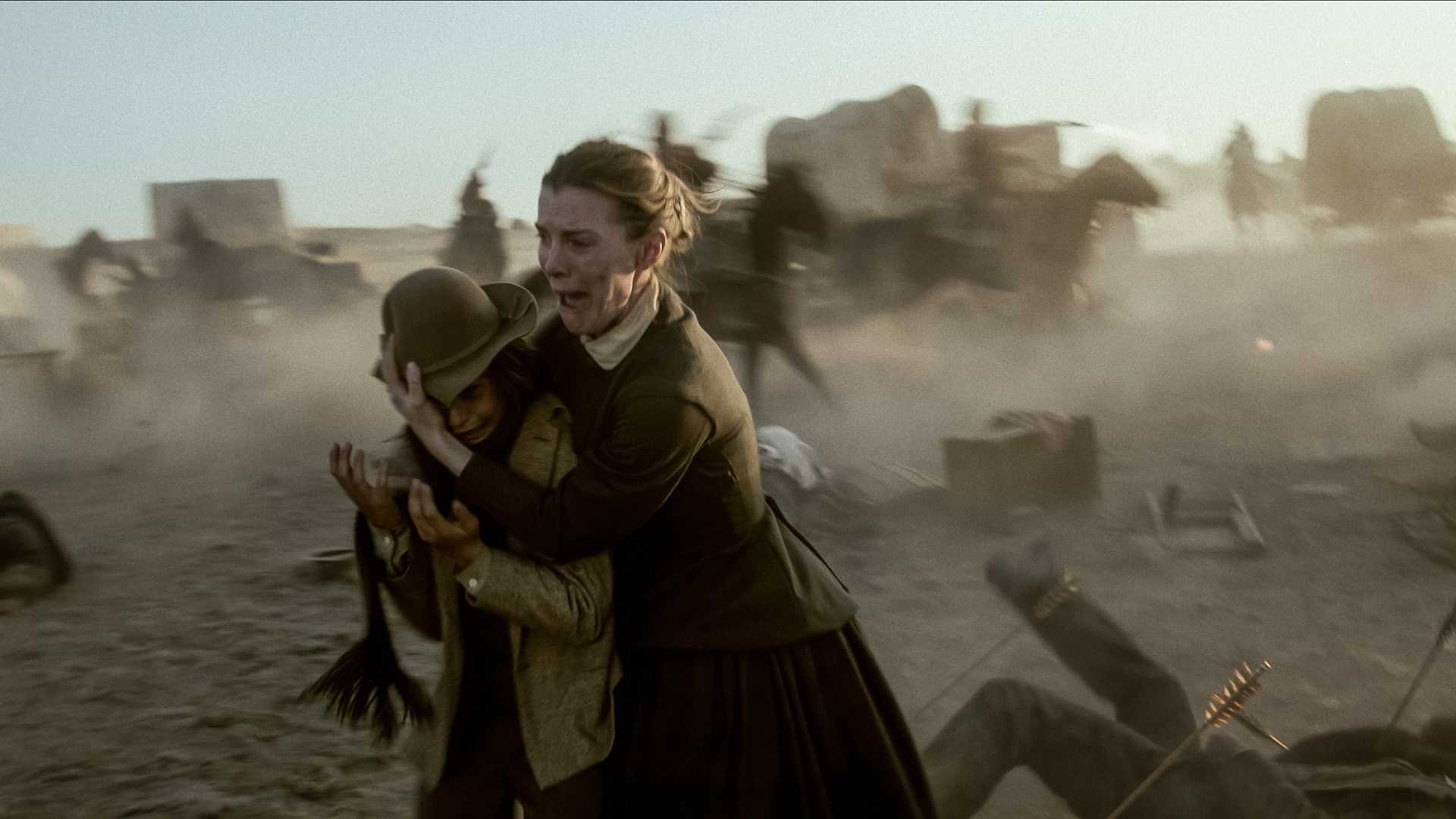
Its violence is relentless, ugly and deeply unsettling. One of the most disturbing sequences is its depiction of the Mountain Meadows Massacre, presented in a chaotic long take that emphasizes the horror rather than turning it into an exciting action spectacle.
There are no comfortable pauses to admire the scenery. The characters are too busy fighting to stay alive.
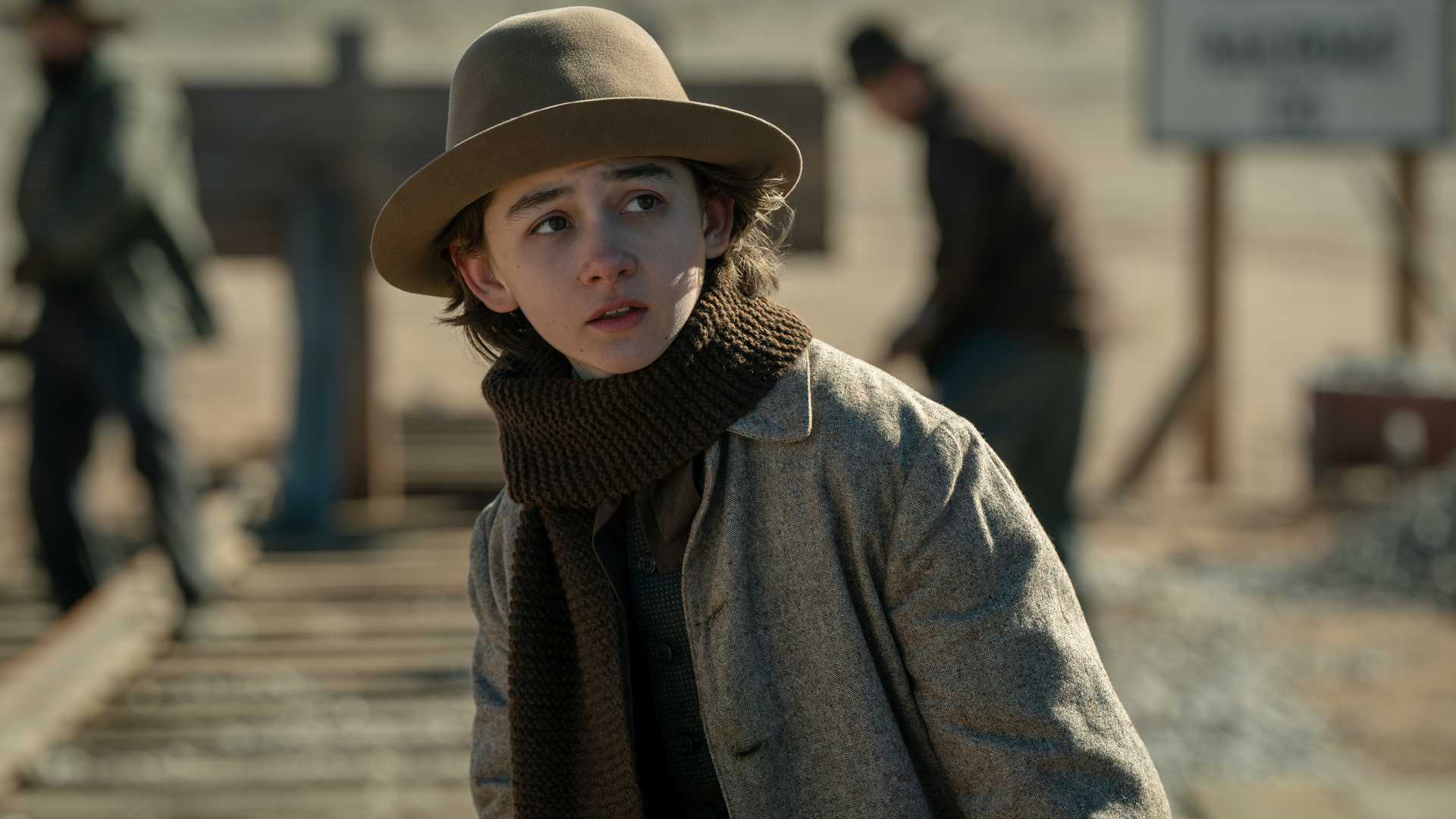
Isaac is also far removed from the confident patriarchs often found in Sheridan’s dramas. Scarred by his experiences, he is a guarded survivor who struggles to trust others. Meanwhile, Sara carries secrets that could have consequences far beyond her immediate circumstances.
In this world, survival isn’t simply the beginning of a greater legacy. It is the entire struggle.
Where Sheridan’s productions often balance personal relationships, political rivalries and spectacular violence, American Primeval strips away much of the conventional drama. Its characters aren’t trying to build empires or establish powerful family dynasties. They’re simply trying to make it through another day.
By abandoning the romantic mythology of the Old West, the series presents a much darker picture of America’s frontier history — one shaped by fear, religious conviction, territorial ambition and the constant threat of death.
Sheridan’s Westerns may be more entertaining in a traditional sense, but American Primeval stands out because it refuses to make the past look more comfortable than it was.
‘American Primeval’ Takes Historical Liberties, but Still Respects the Past
Although American Primeval draws inspiration from real historical events, viewers shouldn’t mistake it for a documentary. The series takes considerable creative liberties, particularly when depicting one of the darkest episodes in American frontier history.
The Mountain Meadows Massacre, which serves as the brutal centerpiece of the opening episode, is a particularly striking example.
In reality, the Baker-Fancher wagon train endured a five-day siege in southern Utah. Mormon militiamen, some disguised as Paiutes, eventually persuaded the emigrants to leave their defensive position under a white flag. Around 120 men, women and older children were subsequently killed.
The television adaptation compresses this prolonged and calculated betrayal into a single chaotic ambush. The change makes the sequence more immediate and cinematic, but it also simplifies the historical events.
The show’s geography has also been altered for dramatic convenience. Fort Bridger and the distant southern massacre site are brought together into a much more compact setting.
Jim Bridger, the historical founder and leader of the Fort Bridger trading post, did lose control of his fort. However, it was Mormon militiamen who burned the establishment to hinder the advancing federal army. In the series, Bridger is depicted as burning the fort himself.
Many of the show’s central characters are fictional, too.
Nevertheless, these historical changes don’t necessarily undermine what the series is trying to accomplish.
Rather than treating the past as an opportunity for spectacle, Peter Berg approaches its darkest moments with considerable seriousness. The massacre is portrayed as a devastating human tragedy, and the camera rarely makes the violence feel glamorous or entertaining.
The series also gives the Shoshone people a more meaningful presence than simply using them as background figures. They are presented as a community with their own political interests, divisions and experiences of suffering.

Likewise, the Mormon characters are portrayed with a degree of religious complexity. Their faith is not simply mocked or dismissed, making the violence committed in its name even more disturbing.
American Primeval may not get every historical detail right, but it understands the emotional weight of the events inspiring its story.
And that is ultimately what makes this six-part Netflix Western so memorable. Instead of offering another romanticized vision of the American frontier, it forces viewers to confront a world where survival came at an extraordinary cost.