Netflix’s Dark New Detective Series Is Ready to Break Every Rule Reacher Made Popular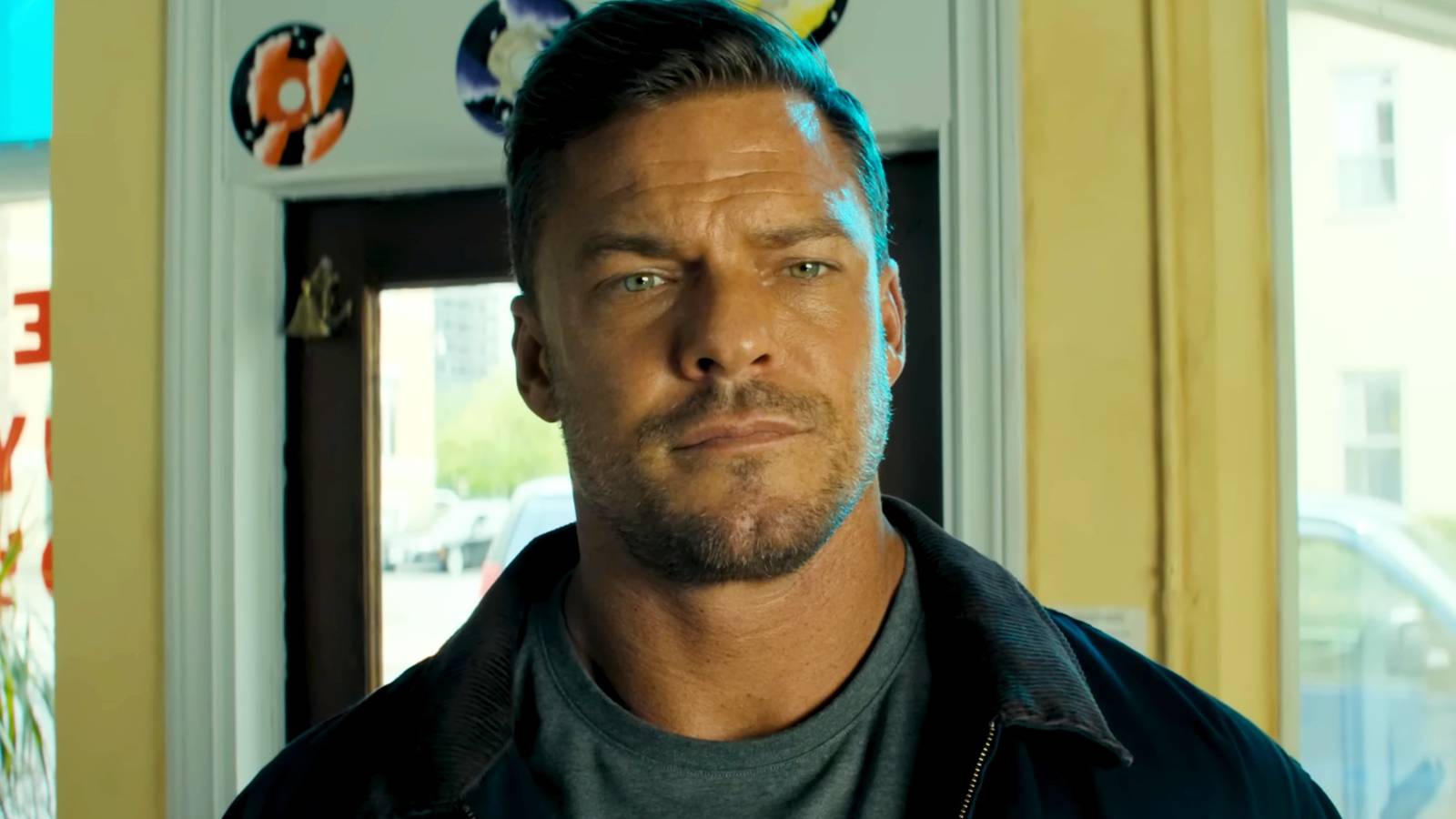
Netflix is preparing to launch a crime thriller that could dramatically redefine the modern detective genre—and challenge the dominance of Prime Video’s Reacher. Based on a globally bestselling book series, the upcoming show introduces a protagonist who is everything Jack Reacher is not: damaged, obsessive, and dangerously human.
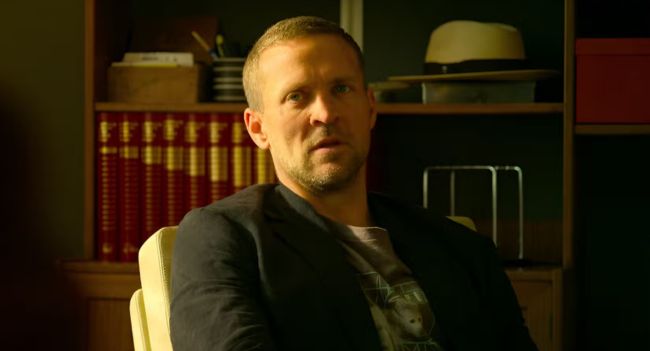
Set to premiere on March 26, 2026, the series adapts Jo Nesbø’s acclaimed Detective Harry Hole novels, bringing one of crime fiction’s most complex characters to the screen. And unlike the nearly unstoppable hero audiences have come to expect from shows like Reacher, Harry Hole represents a far darker and more unpredictable kind of investigator.
A Detective Who Breaks the Mold
At first glance, Harry Hole and Jack Reacher share familiar DNA. Both are loners. Both possess razor-sharp instincts. Both relentlessly pursue justice. But beyond those similarities, their paths sharply diverge.
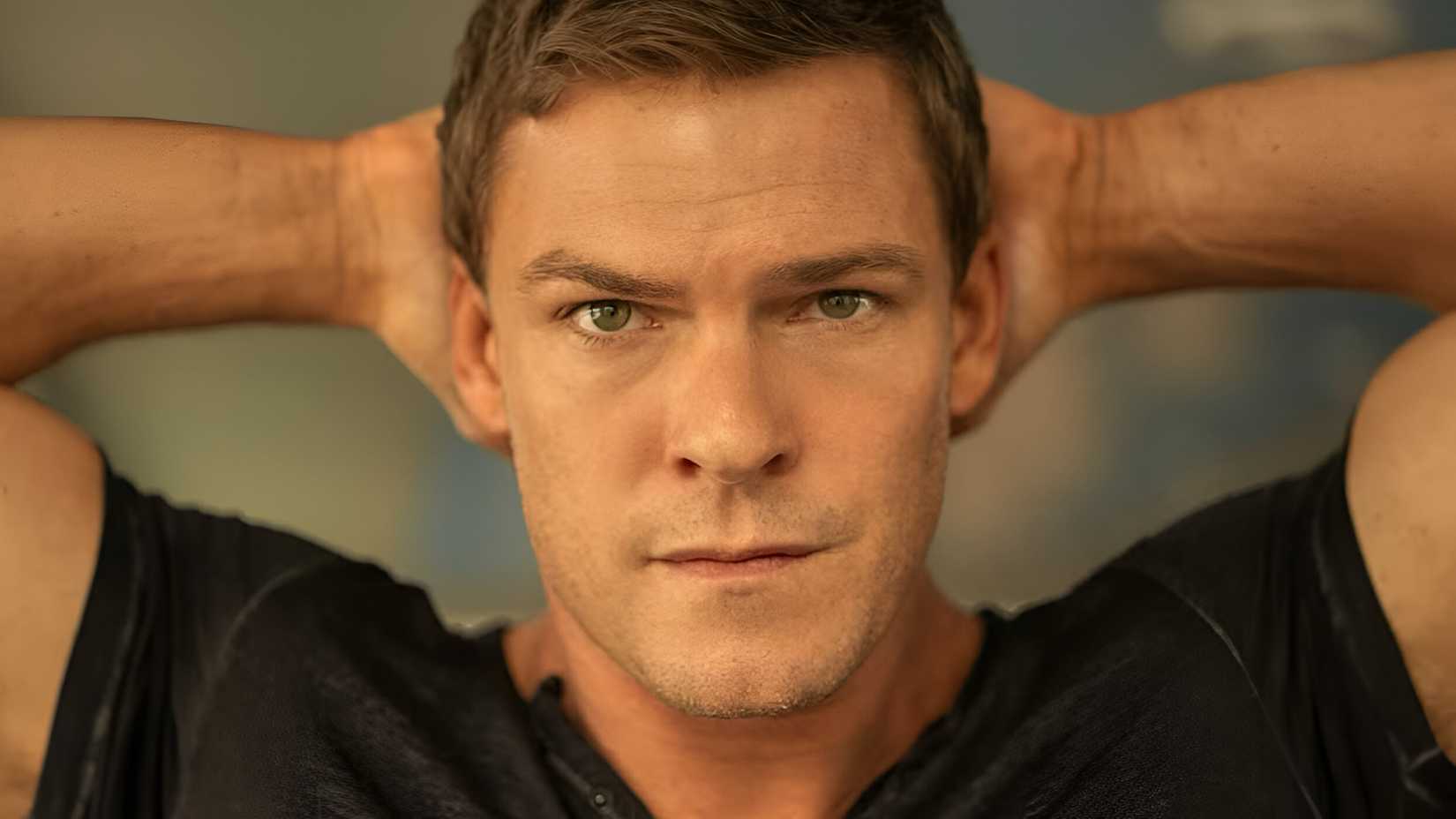
Jack Reacher, portrayed by Alan Ritchson, is defined by discipline, control, and physical dominance. He enters a town, dismantles corruption with precision, and leaves order in his wake. He’s calculated, composed, and almost mythically resilient.
Harry Hole, by contrast, is chaotic and self-destructive.
Driven by addiction and haunted by personal demons, Hole often pursues killers with reckless intensity—even when it costs him his career, relationships, or physical well-being. The upcoming Netflix adaptation does not shy away from these flaws. Instead, it leans into them, portraying a detective whose brilliance is inseparable from his instability.
Unlike Reacher, who almost always emerges victorious from violent confrontations, Hole doesn’t escape unscathed. He loses fights. He carries scars. His victories often come at devastating personal cost.
And sometimes, even when he solves the case, the damage he leaves behind cannot be undone.
The Anti-Hero Crime Drama Has Been Waiting For
For years, many crime thrillers have followed a familiar formula: highly capable investigators with clear moral compasses move from one case to another, restoring order. Even shows with layered protagonists—like Bosch—often stop short of fully embracing the darker psychological terrain.
Harry Hole represents a deliberate shift away from that model.
Rather than portraying a near-perfect crime-fighting force, Netflix’s series centers on a morally ambiguous detective whose personal struggles are as central as the crimes he investigates. His obsession blurs ethical boundaries. His addiction undermines his judgment. His relentless pursuit of justice often feels as destructive as the criminals he hunts.
This complexity brings the character closer in spirit to deeply flawed investigators like Rust Cohle from True Detective, rather than the stoic invincibility embodied by Reacher.
A Second Chance for a Legendary Character
Harry Hole is no stranger to adaptation. The character previously appeared on the big screen, but the film failed to leave a lasting cultural impact. Netflix’s serialized approach, however, offers a far more expansive canvas to explore the character’s psychology, trauma, and evolution.
The series also benefits from a powerful creative foundation. Jo Nesbø himself is directly involved as the show’s main writer, ensuring fidelity to the tone and depth that made the novels international bestsellers.
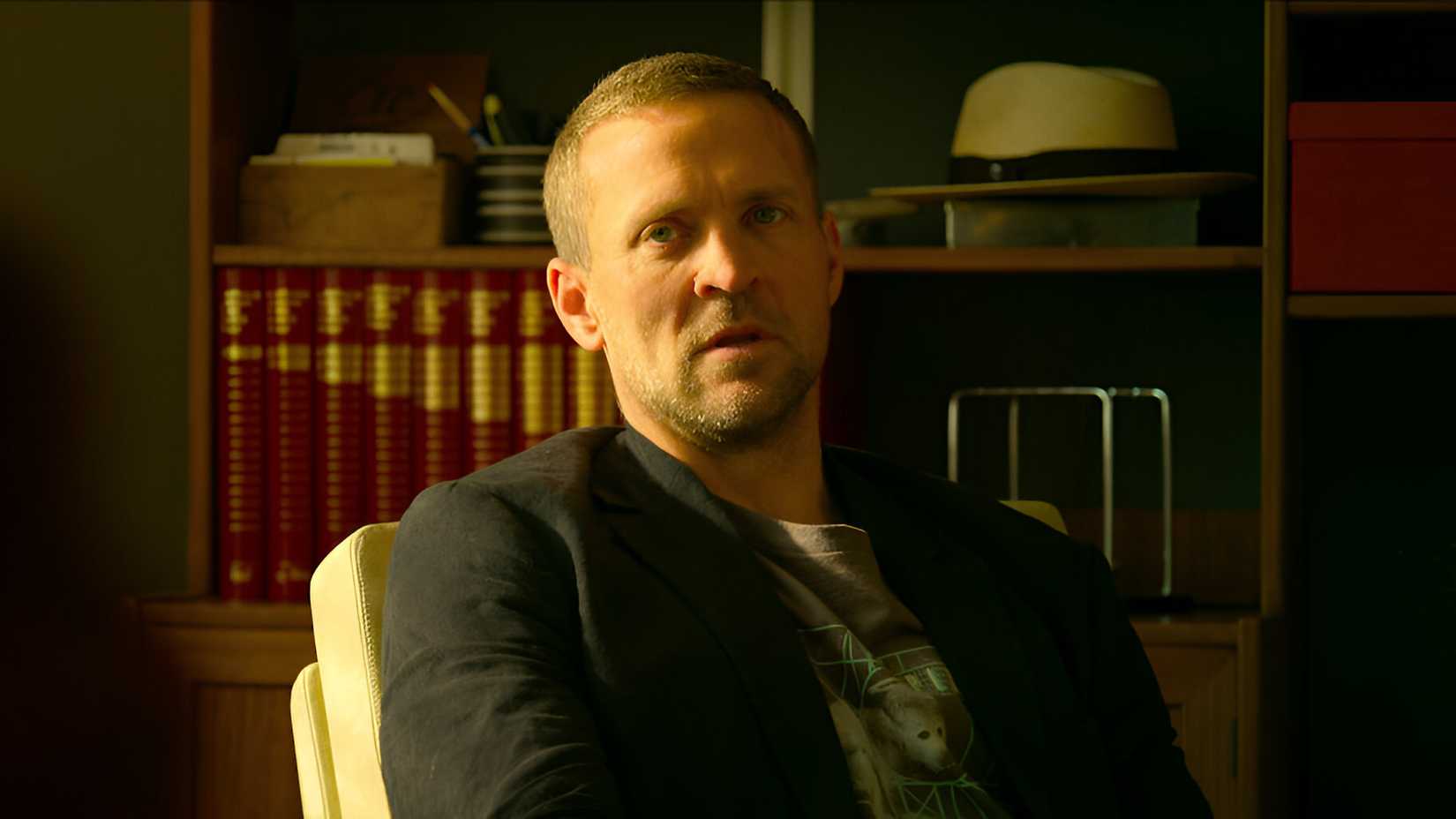
The cast further strengthens the project’s potential. Tobias Santelmann steps into the role of Harry Hole, bringing intensity and emotional weight to the troubled detective. He is joined by Joel Kinnaman, adding additional star power and dramatic credibility.
A Potential Franchise in the Making
If successful, Harry Hole could become Netflix’s answer to long-running crime franchises like Reacher and Bosch. The source material spans numerous novels, providing ample room for multiple seasons and long-term storytelling.
More importantly, the series arrives at a moment when audiences are increasingly drawn to flawed, psychologically complex protagonists. Viewers no longer just want heroes who win—they want characters who struggle, break, and survive.
Harry Hole offers exactly that.
Where Reacher represents control, certainty, and strength, Harry Hole embodies chaos, vulnerability, and obsession. And that contrast may be precisely what the crime thriller genre needs next.
When the series premieres on March 26, Netflix won’t just be introducing a new detective.
It may be introducing the anti-hero who changes the rules entirely.