Praise be: Why Dystopian Masterpiece ‘The Handmaid’s Tale’ Remains an Unmissable, Addictive Epic
Spanning six unforgettable seasons of rebellion, survival, and raw emotion, Hulu’s flagship drama stands as a cultural phenomenon and a masterclass in modern television storytelling.
In the crowded landscape of prestige television, few series have managed to grip the global consciousness, ignite vital political discourse, and leave audiences utterly breathless quite like The Handmaid’s Tale. What began as a chilling adaptation of Margaret Atwood’s classic 1985 novel quickly evolved into a towering cultural phenomenon, solidifying its place as one of the most intense, thought-provoking, and brilliantly acted dramas of the modern era.
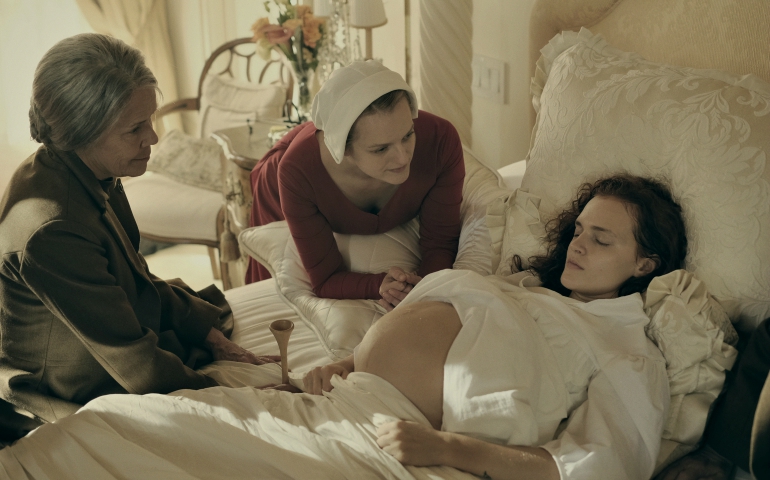
The series transports viewers into the terrifying, near-future Republic of Gilead—a totalitarian regime built on the ruins of the United States, where a plummeting birth rate has led to the systematic stripping of all women’s rights. In this horrific new world order, fertile women are forced into sexual servitude as “Handmaids” to elite commanders.
At the absolute center of this dystopian nightmare is Elisabeth Moss, who delivers a career-defining, Emmy-winning performance as June Osborne (initially known by her master’s name, Offred). June is not just a victim of an oppressive system; she is a fierce mother, a resilient survivor, and ultimately, a revolutionary figurehead fighting for her freedom, her missing daughter, and the downfall of Gilead itself.
What has kept audiences entirely addicted year after year is the show’s unrelenting tension and brilliant creative execution. The performances across the entire ensemble are nothing short of spectacular. While Moss anchors the series with raw, vulnerable intensity, she is matched frame-for-frame by Yvonne Strahovski’s chillingly complex portrayal of Serena Joy Waterford and Ann Dowd’s terrifyingly unforgettable turn as Aunt Lydia.
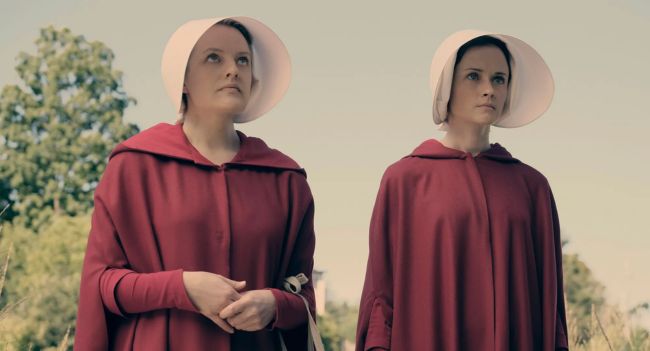
Beyond the acting, the series is renowned for its hauntingly beautiful yet horrifying cinematography. The stark contrast between the vibrant red cloaks of the Handmaids, the oppressive teal of the Wives, and the bleak, cold world around them creates a visual language that stays with the viewer long after the screen goes dark. It is a show that expertly balances the depths of human despair with a fierce, burning candle of hope and rebellion, offering sharp social and political commentary that consistently feels deeply relevant.

Having concluded its monumental six-season journey, the acclaimed saga has officially locked in its legacy as one of streaming history’s most decorated triumphs, paving the way for the next chapter in the universe with the highly anticipated sequel series, The Testaments.
For fans who crave dark, complex, high-stakes character studies in the vein of The Boys, Succession, or Yellowjackets, diving into Gilead is an absolute necessity. The Handmaid’s Tale delivers a powerful, unforgettable viewing experience that challenges the mind and stirs the soul, proving that even in the darkest corners of oppression, the human spirit refuses to be entirely erased.