
“48 Hours” this week revisited a 1979 murder that stunned Stockton’s University of the Pacific community and sparked the victim’s family to wage a decades-long battle to keep the killer behind bars.
“The Boy Across the Street” investigates the brazen killing of Catina Salarno, an 18-year-old freshman at Pacific shot to death on campus by her ex-boyfriend, Steven Burns. The episode aired on CBS on May 3 and is streaming on Paramount+.

Catina Rose Salarno left her San Francisco home in 1979 with dreams of studying at Stockton’s University of the Pacific to become a dentist, plans that did not include her high school boyfriend, Steven John Burns.
On the eve of her first day of classes, the two met on a dark corner of Pacific’s campus, where Burns pulled a gun and fired a bullet into the back of Salarno’s head before returning to his dorm to watch “Monday Night Football.” They were both 18 at the time.
Convicted of the killing, California Parole Board denied Burns parole for the 13th time in January after 45 years in prison, determining that he remains an “unreasonable safety concern” for the community, the San Joaquin County District Attorney’s Office reported in a news release.
“Our duty is not only to prosecute but to protect. Each denial of parole for Steven Burns reaffirms our dedication to ensuring that our community remains safe and that justice continues to be served for Catina Salarno,” District Attorney Ron Freitas said in a statement in January. “We will continue to vigorously pursue parole denials for those who pose a threat to public safety, acknowledging the profound loss and ongoing pain felt by the Salarno family.”
Harriet Salarno told The Record in 2006 that she believes some convicted inmates can change. But she described Burns as a sociopath who stole a gun from her husband and stalked her daughter – following her to Stockton to commit murder.
Before Burns murdered their daughter, betraying them, the Salarno family embraced the boy who lived across the street, she said.
Mike Salarno, Catina’s father, was Burns’ godfather. A good student and high school football star, Burns worked in the Salarnos’ television shop. Catina Salarno and Burns, who attended different high schools, dated for a couple of years.
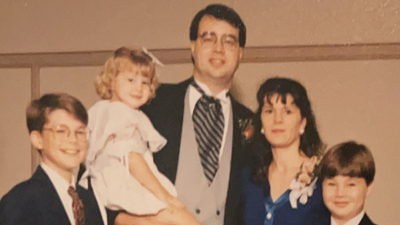
Harriet Salarno said she feels guilt to this day for failing to notice ominous signs.

Catina Salarno had tried to break up with Burns shortly before leaving for college, drawing death threats from Burns. Expected to attend Santa Clara University, Burns shocked the Salarnos when he showed up in Stockton, where he had secretly enrolled at Pacific.
In the aftermath of their daughter’s death, Harriet and Michael Salarno formed Crime Victims United of California, an organization that provides support groups for crime victims and lobbies state legislators for stiffer criminal laws.
Former San Joaquin County Deputy District Attorney Robert Himelblau said in 2006, shortly before Burns’ seventh bid for parole, that he seriously doubts Burns has transformed. In prison, Burns has continued the same obsessive behavior that led to the Pacific student’s death, Himelblau said.
“He’s not going to rob you at an ATM,” Himelblau told The Record in 2006. “But he might kill your daughter because she won’t date him.”
Harriet Salarno told The Record in 2006 that she believes some convicted inmates can change. But she described Burns as a sociopath who stole a gun from her husband and stalked her daughter – following her to Stockton to commit murder.
Before Burns murdered their daughter, betraying them, the Salarno family embraced the boy who lived across the street, she said.
Mike Salarno, Catina’s father, was Burns’ godfather. A good student and high school football star, Burns worked in the Salarnos’ television shop. Catina Salarno and Burns, who attended different high schools, dated for a couple of years.
Harriet Salarno said she feels guilt to this day for failing to notice ominous signs.
Catina Salarno had tried to break up with Burns shortly before leaving for college, drawing death threats from Burns. Expected to attend Santa Clara University, Burns shocked the Salarnos when he showed up in Stockton, where he had secretly enrolled at Pacific.
In the aftermath of their daughter’s death, Harriet and Michael Salarno formed Crime Victims United of California, an organization that provides support groups for crime victims and lobbies state legislators for stiffer criminal laws.
Former San Joaquin County Deputy District Attorney Robert Himelblau said in 2006, shortly before Burns’ seventh bid for parole, that he seriously doubts Burns has transformed. In prison, Burns has continued the same obsessive behavior that led to the Pacific student’s death, Himelblau said.
“He’s not going to rob you at an ATM,” Himelblau told The Record in 2006. “But he might kill your daughter because she won’t date him.”