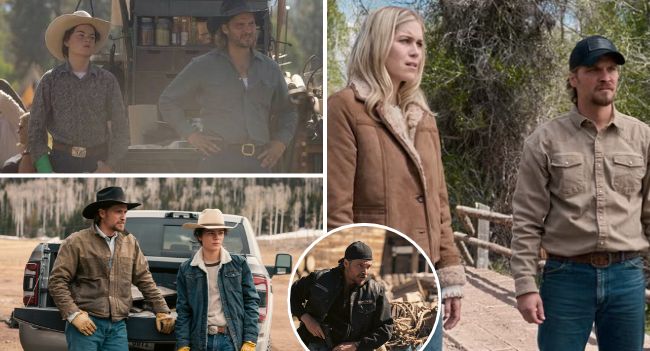
‘MARSHALS’ SEASON 2 THEORY: TATE DUTTON’S FUTURE HOLDS THE FATE OF THE ENTIRE DUTTON LEGACY
Across every successive generation, the Dutton lineage has wrestled with a singular, existential paradox: how to defend ancestral heritage without becoming hopelessly enslaved to it.
For decades, the Dutton name functioned as an unyielding fortress of power and resistance against predatory developers, corporate entities, and land syndicates. Yet every hard-won preservation exacted an excruciating human toll, compounding trauma across generational bloodlines. In CBS’s spin-off series Marshals, custody over that enduring legacy has decisively shifted away from John Dutton’s era and onto the shoulders of Tate Dutton.

A Child Straddling Two Divergent Worlds
As the son of Kayce Dutton and the late Monica Long, Tate exists at the unique intersection of two historically competing cultures:
-
The rugged, high-stakes dominion of the Dutton Ranch.
-
The sacred communal heritage of the Broken Rock Indian Reservation.

This dual identity frames the franchise’s ultimate thematic crossroads: Will Tate rise as the next hardened guardian of the Dutton mantle, or will he emerge as the generational figure who finally breaks the cycle of bloodshed?
As Marshals Season 2 tracks Kayce’s double life navigating elite federal law enforcement alongside fatherhood, Tate’s psychological evolution becomes the narrative anchor. What kind of man Tate becomes will fundamentally dictate whether the Dutton dynasty achieves long-awaited redemption or remains bound to perpetual violence.
