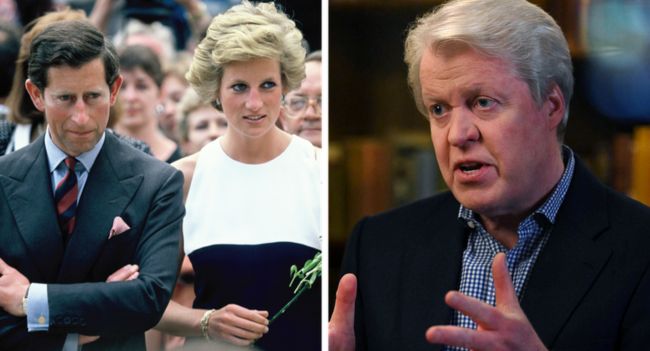
Earl Spencer Brands King Charles a ‘Bellowing Buffoon’ as Explosive Diana Funeral Dispute Resurfaces

Earl Spencer has launched one of his sharpest attacks yet on King Charles, using a striking two-word insult in his forthcoming memoir while recounting the bitter tensions he says erupted in the days after Princess Diana’s death.
In Swan Song: Diana, My Sister, Charles Spencer, 62, refers to his former brother-in-law as a “bellowing buffoon” while reflecting on his family’s long history of service to the monarchy.
The remark comes amid a series of highly personal allegations about Charles and Diana’s marriage, as well as an explosive account of a private argument Spencer claims he had with the then-Prince of Wales over Diana’s funeral.
Spencer’s Remark About Charles
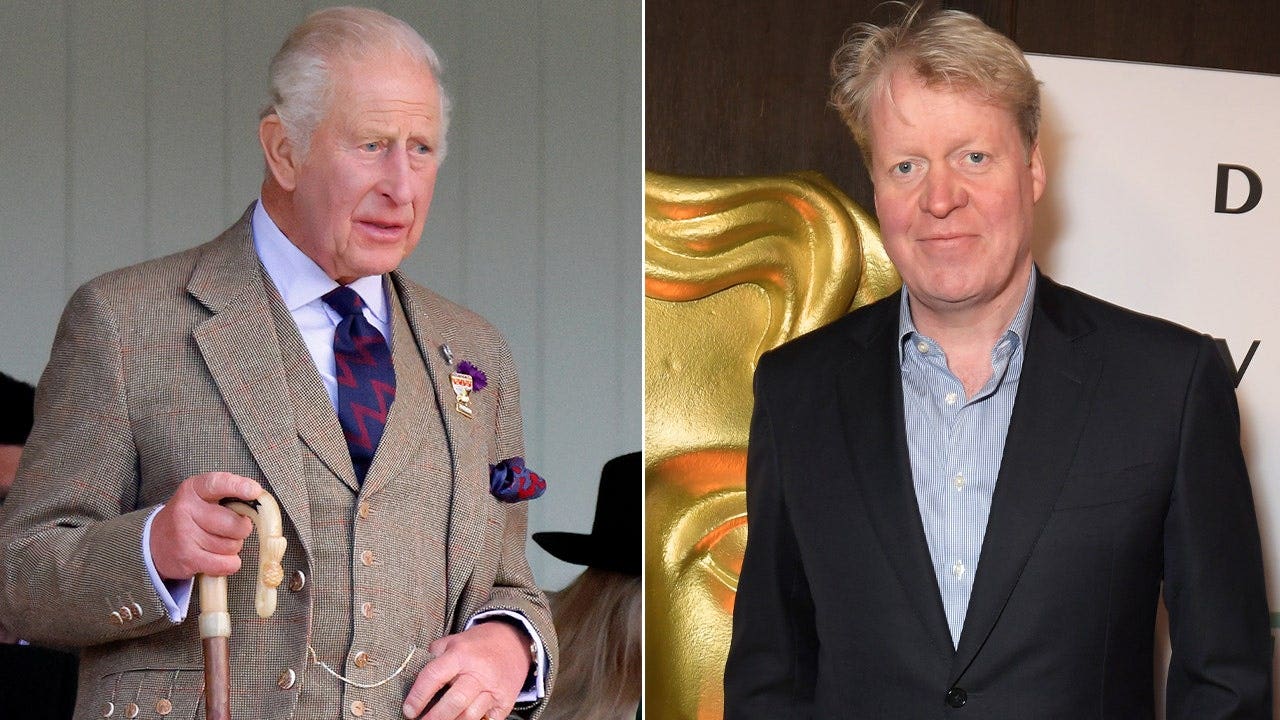
In an extract from the memoir, Spencer argues that Diana remained committed to her responsibilities toward Queen Elizabeth II despite the turmoil surrounding her marriage.
He describes his own family as having been “stalwart servants and companions” of the late Queen and reflects on generations of Spencers who served the Crown as ambassadors, admirals, courtiers, politicians and viceroys.
It is while making that comparison that Spencer uses the phrase “bellowing buffoon” to describe Charles.
The characterization is Spencer’s own and comes from his personal account of events surrounding his sister and the Royal Family.
A Bitter Dispute Over Diana’s Funeral

Even more contentious is Spencer’s description of a private telephone argument with Charles following Diana’s death in August 1997.
According to Spencer, the two men clashed over arrangements for Diana’s funeral and, in particular, whether Princes William and Harry should participate in the public procession.
Spencer says he argued that Diana would not have wanted her sons subjected to such an intensely public ordeal while grieving their mother.
He claims Charles became angry during the conversation before suddenly pausing.
What Spencer says came next has now become one of the memoir’s most disputed allegations.
According to his account, Charles told him: “Rest assured, we’ll forget her soon enough!”
Spencer writes that he interpreted the alleged remark as evidence of Charles’s feelings toward Diana and his reaction to the extraordinary public response to her death.
The conversation is Spencer’s recollection of a private exchange and has not been independently established.
Buckingham Palace Pushes Back
Buckingham Palace has taken the unusual step of responding to Spencer’s claims, although it did not provide its own detailed account of the alleged conversation.
The Palace said that while it does not generally comment on books, the King recognizes that “the pain of fraternal grief can cloud reason, affect judgment and colour memory” even many years after a loss.
The response effectively challenges Spencer’s recollection without offering a point-by-point rebuttal of the allegations contained in the memoir.
Diana’s Loyalty to the Queen
Despite his criticism of Charles, Spencer portrays Diana’s relationship with royal duty differently.
He writes that his sister “always tried to put her duty to the Queen first” and describes her as having been “the epitome of duty during her time as princess.”
Those comments form part of Spencer’s broader attempt to revisit Diana’s life from the perspective of her younger brother, including private conversations and family disputes that remained largely outside public view for decades.
Swan Song: Diana, My Sister is scheduled for release on September 22.
But even before reaching shelves, the memoir has already reopened one of the most sensitive chapters in modern royal history — with Spencer’s description of Charles and his account of their alleged confrontation ensuring that the dispute over Diana’s final farewell is once again under intense scrutiny.