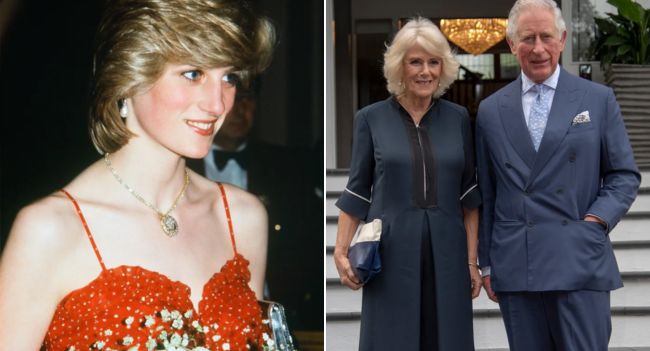
Nearly three decades after Princess Diana’s death, Earl Spencer’s new memoir has reopened one of the most painful chapters in the Royal Family’s history, with fresh claims about King Charles’s reaction to her death and the decisions surrounding her funeral.
In Swan Song: Diana, My Sister, Charles Spencer describes a phone call with the then-Prince Charles on the night Diana died in a Paris car crash on August 31, 1997. According to Spencer, Charles sounded “giddily elated” when he spoke to him — an impression the Earl says struck him as similar to “a lottery winner.”
Spencer also writes that he believed Charles’s first thought may have been that Diana’s death would allow him to marry Camilla, whom he describes as the woman Charles loved.
The claims have prompted a strong response from royal sources, who dispute the picture of Charles presented in the memoir and point to his actions following Diana’s death as evidence of his grief.


Palace Pushes Back on Spencer’s Account
The controversy comes as Swan Song: Diana, My Sister prepares for publication in September 2026. Penguin’s official listing describes the book as Charles Spencer’s account of his life with Diana and the tragic events surrounding her death.
The Palace has already rejected another claim attributed to Spencer — that Charles told him Diana would be “forgotten soon enough” in a conversation following her death.
A Palace response suggested that grief can affect memory and judgment, particularly many years after a traumatic loss.
Royal commentator Robert Jobson has also challenged Spencer’s portrayal of Charles, saying his reporting experience led him to believe the King was devastated by Diana’s death. He pointed to Charles’s visible emotion at the time and his involvement in bringing Diana’s body back from Paris.
The competing accounts mean that the precise nature of Charles’s private reaction remains a matter of disputed recollection rather than an independently established fact.


Spencer Recalls the Night Diana Died
In the memoir, Spencer says he was in Cape Town when the phone beside his bed rang during the night.
His sister Jane, Lady Jane Fellowes, called to tell him that Diana — whom the family had known by her childhood nickname, Duch — had been involved in a car crash in Paris.
At first, Spencer believed Diana might have survived but been injured.
As the calls continued, however, the situation became increasingly serious. He learned that Diana’s companion Dodi Fayed and the driver, Henri Paul, had also died.
Spencer recalls hearing his brother-in-law Robert Fellowes react with disbelief before Jane finally told him that Diana was dead.


The Earl then describes a later phone call from Charles, saying the future King’s manner struck him as completely different from that of the other people who had contacted him.
Spencer writes that Charles told him he had informed William and Harry of their mother’s death at Balmoral.
Looking back, Spencer says he believed Charles may have been thinking about the possibility of marrying Camilla rather than mourning Diana.
That interpretation is Spencer’s own recollection and judgment of the conversation, rather than an independently verified account of Charles’s thoughts.
The Funeral Became Another Source of Conflict


Spencer’s memoir also revisits the bitter disagreements surrounding Diana’s funeral.
He claims there was a proposal for William and Harry, then aged 15 and 12, to walk behind their mother’s coffin. Spencer says he strongly opposed the idea and regarded it as unacceptable for two young boys who had just lost their mother.
He also describes a dispute over Charles’s decision to join the procession.
According to Spencer, Charles was determined to walk behind Diana’s coffin, while officials worried about how members of the public might react if he walked alone.
Spencer says he was eventually expected to walk alongside Charles, with the presence of William and Harry also helping to ensure the procession passed without confrontation.
The funeral arrangements have remained a significant part of the competing memories of Diana’s death. Spencer’s account emphasizes the role of the Spencer family, while accounts defending Charles point to his efforts to ensure Diana received a ceremonial funeral and to accompany her coffin home from Paris.


Claims About Diana’s Marriage to Charles
The memoir goes beyond the events of 1997, with Spencer revisiting Diana’s relationship with Charles from its earliest days.
He claims that shortly before their wedding on July 29, 1981, Charles told Diana he was “not actually in love with her.”
Spencer also writes that Diana became deeply concerned about the relationship after discovering a bracelet Charles had bought for Camilla. According to his account, Diana later considered ending the engagement.
He further claims that Diana struggled with an eating disorder before the wedding and that comments about her appearance contributed to her insecurities.
Spencer also discusses what he believes were signs of ADHD in Diana, along with what he describes as Rejection Sensitive Dysphoria.
Those descriptions represent Spencer’s retrospective interpretation of his sister’s experiences rather than a diagnosis established by a contemporary medical record.


Spencer Revisits Diana’s Final Years
Another deeply personal section of the memoir concerns Diana’s emotional struggles later in her life.
Spencer claims Diana once told him she intended to divorce Charles while dining at her favourite London restaurant, San Lorenzo.
He says he tried to persuade her otherwise, while Diana allegedly told him Charles was in love with someone else.
The Earl also writes that Diana drove to Beachy Head on more than one occasion while contemplating suicide, but says her love for William and Harry prevented her from going further.
These are serious claims about Diana’s private life, presented through her brother’s recollections in the memoir.
A Story That Remains Deeply Contested
Spencer’s book arrives as the story of Diana, Charles and the Royal Family continues to generate intense public interest nearly 30 years after her death.
The memoir is being presented by Penguin as an intimate portrait of Diana, drawing on Spencer’s memories of their childhood, her life as Princess of Wales and the final period before her death.
But its publication has also revived unresolved disagreements over what happened behind the scenes after the crash.
Spencer offers one version of Charles’s reaction and the funeral arrangements. The Palace and royal commentators have challenged elements of that account, particularly the suggestion that Charles was anything other than deeply affected by Diana’s death.
With the memoir set to revisit the most painful days in the lives of Diana’s family and sons, the competing accounts are likely to keep the events of August and September 1997 at the centre of public discussion once again.